Project Overview

In the critical hours before midnight, a distress call reached Seaway Ship Services: a 142,000 DWT bulk carrier transiting the strategically vital Dardanelles Strait had suffered complete failure of its provision cold room refrigeration system. The vessel carried a time-sensitive cargo of 120,000 tonnes of grain destined for Black Sea ports, with strict delivery deadlines and mounting demurrage costs. More critically, the crew's food storage systems—including separate meat and vegetable cold rooms—had completely ceased operation, threatening both cargo temperature stability and crew provisions for the remaining voyage.

This wasn't a scenario that permitted delays for parts ordering or scheduling repair windows. The vessel's operational imperatives were clear: repairs must be completed without deviating from the planned transit route, without discharging any cargo and without causing delays that would trigger penalty clauses. Our response team mobilized two specialized refrigeration engineering units within 90 minutes, assembling a comprehensive toolkit of diagnostic equipment, refrigerant gases, precision welding apparatus, replacement compressor components and all necessary consumables for a complete system overhaul.

What followed was an intensive 18-hour technical intervention that would test every aspect of our refrigeration expertise. Our engineers diagnosed a cascade of failures: the primary compressor had suffered bearing seizure due to refrigerant contamination, the system had lost all R-404A refrigerant charge through multiple leak points, copper refrigerant lines showed stress fractures requiring precision welding repairs and the expansion valves had become blocked with moisture and debris. Working in cramped engine room conditions with temperatures exceeding 40°C, our teams executed simultaneous repairs across two cold room systems while the vessel maintained its transit schedule through one of the world's most congested maritime chokepoints.
⚠️

The Challenge

The vessel faced a critical refrigeration emergency while transiting the Dardanelles Strait with 120,000 tonnes of temperature-sensitive grain cargo. Both meat and vegetable cold rooms had failed simultaneously due to compressor failure, refrigerant loss and system contamination. The operational constraints were severe: repairs must be completed during transit without port call, no cargo discharge permitted, strict timeline to avoid demurrage penalties and work in extreme engine room temperatures while maintaining all safety protocols.

Technical challenges included diagnosing multiple failure points in operating vessel conditions, executing precision copper pipe welding in confined spaces, complete system evacuation and recharging with R-404A refrigerant, compressor bearing replacement and overhaul, leak detection and repair across extensive piping networks, pressure testing to classification requirements and restoring both cold rooms to specified temperatures while ensuring food safety compliance for remaining voyage.

Our Solution

Seaway deployed two specialized refrigeration engineering teams with mobile workshop capabilities and complete spare parts inventory. Our rapid-response protocol included: immediate diagnostic assessment using thermal imaging and electronic leak detection, simultaneous repair operations across both cold room systems, precision TIG welding of copper refrigerant lines with nitrogen purging, complete compressor teardown and bearing replacement, thorough system evacuation using dual vacuum pumps, moisture removal and contamination cleaning, precision refrigerant charging to manufacturer specifications.

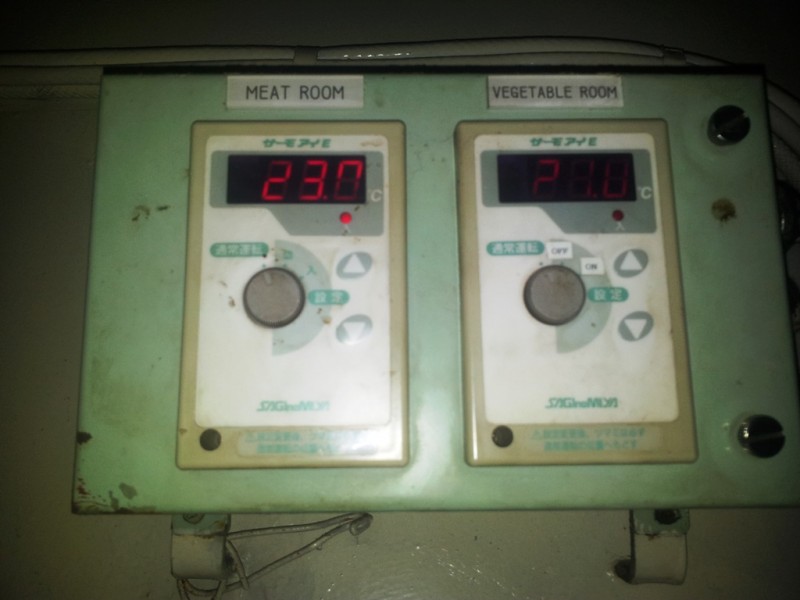
Our engineers worked in continuous rotation maintaining 24/7 operations, utilizing specialized tools including vacuum pumps, refrigerant recovery units, leak detectors, welding equipment, pressure testing apparatus and digital temperature monitoring systems. Final commissioning included comprehensive leak testing, pressure verification at 25 bar test pressure, temperature pull-down verification and complete system documentation for classification records. Both cold rooms achieved specified temperatures (-23°C meat room, -2°C vegetable room) within 6 hours of completion.

Execution Process

Hour 0-2: Emergency Mobilization & Diagnostic Assessment

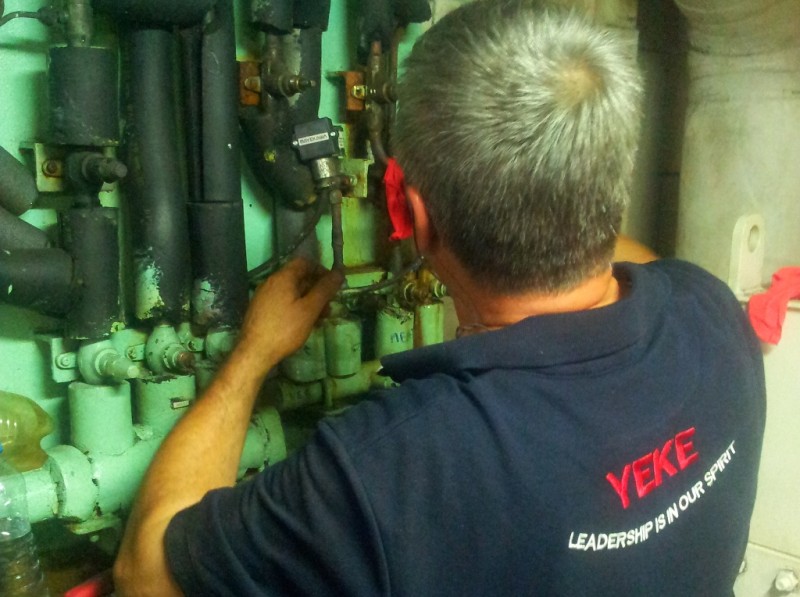
Received emergency distress call from vessel master regarding complete cold room failure while transiting Dardanelles. Immediate assembly of two specialized refrigeration teams with mobile workshop equipment, welding apparatus, refrigerant gases, compressor parts and diagnostic tools. Rapid transit to vessel anchorage point using high-speed service boats. Initial boarding and safety briefing with crew. Comprehensive system assessment using electronic leak detectors, thermal imaging cameras and pressure gauges revealed: complete loss of R-404A refrigerant charge, compressor bearing failure with metal contamination, multiple refrigerant line fractures, expansion valve blockage and moisture contamination throughout system.

Hour 2-6: System Isolation & Compressor Overhaul

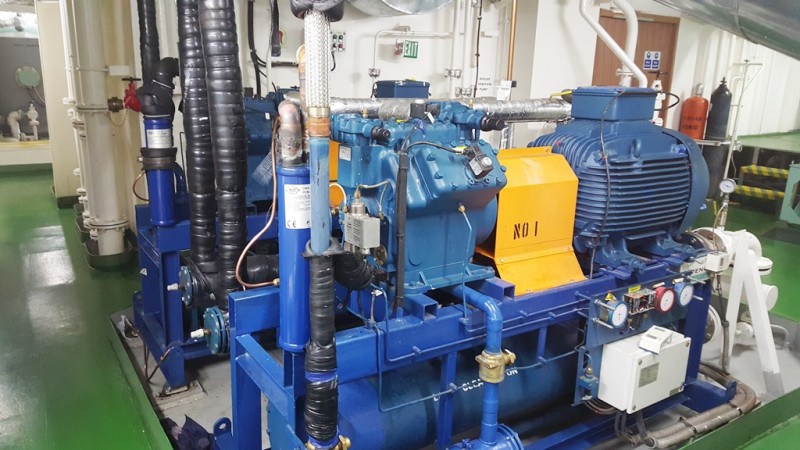
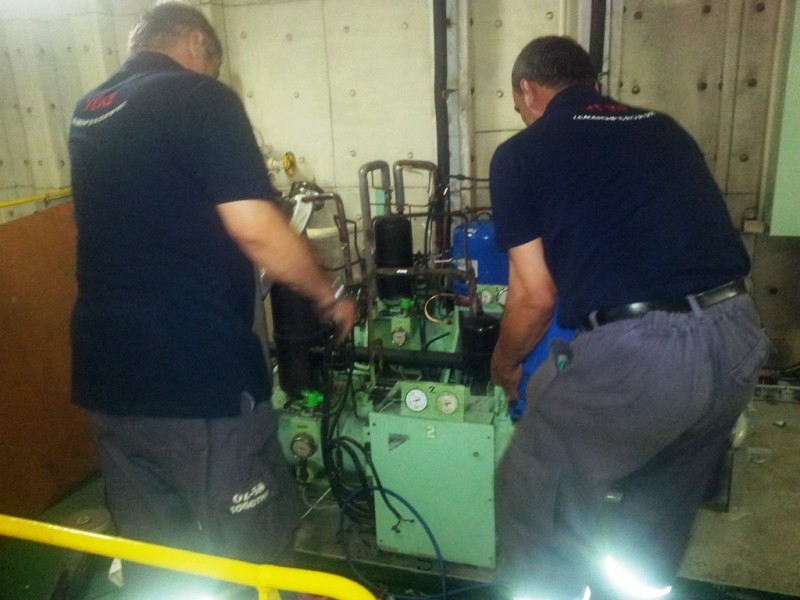
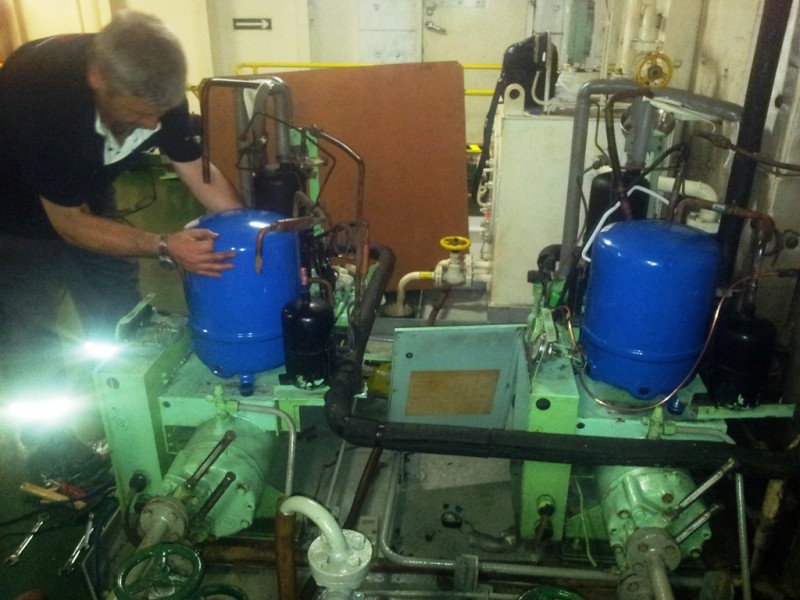
Electrical isolation and lockout/tagout procedures for safe working. Recovery of remaining contaminated refrigerant using certified recovery equipment per environmental regulations. Complete disassembly of hermetic compressor units for both meat and vegetable room systems. Detailed inspection revealed bearing seizure caused by refrigerant breakdown products and moisture ingress. Precision cleaning of compressor internals, replacement of worn bearings, seals and gaskets. Motor winding insulation testing and verification. Reinstallation of overhauled compressors with new mounting vibration isolators. Replacement of contaminated compressor oil with fresh polyolester lubricant suitable for R-404A systems.

Hour 6-10: Refrigerant Line Repairs & Welding Operations

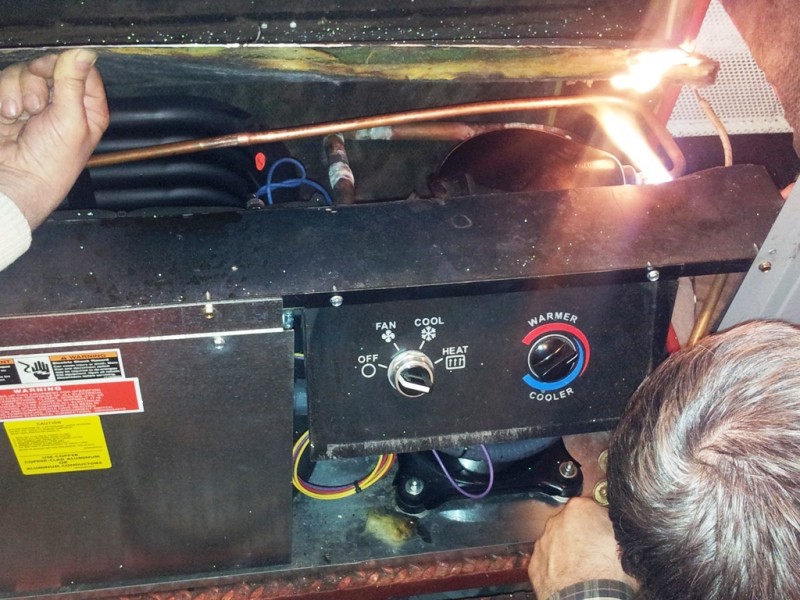
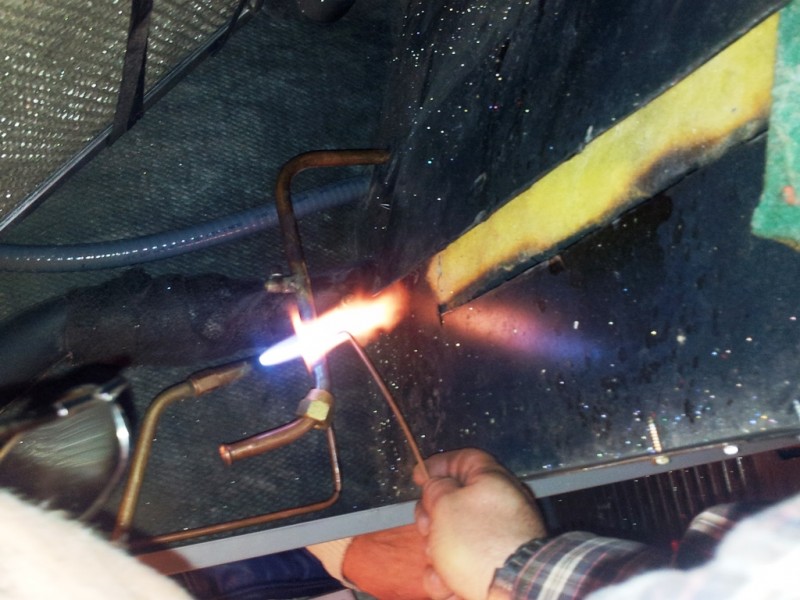
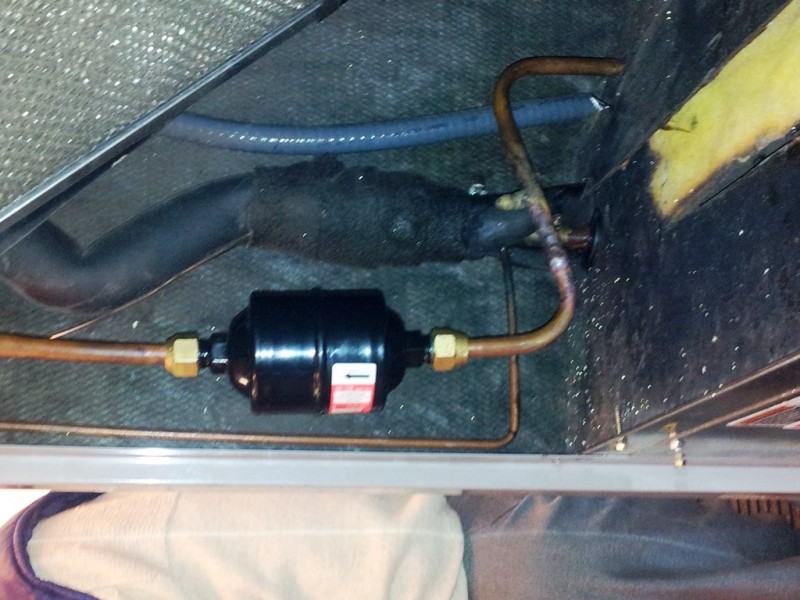
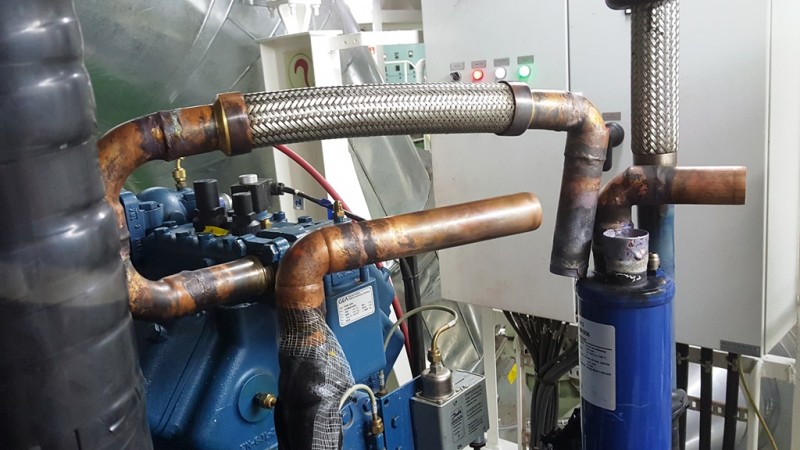
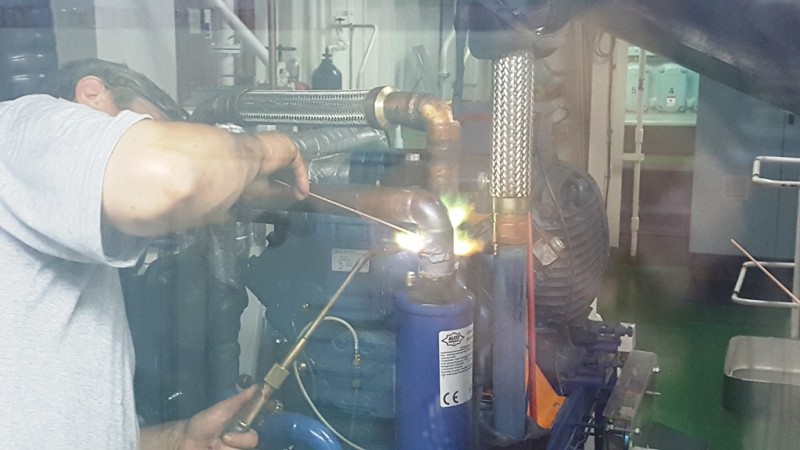
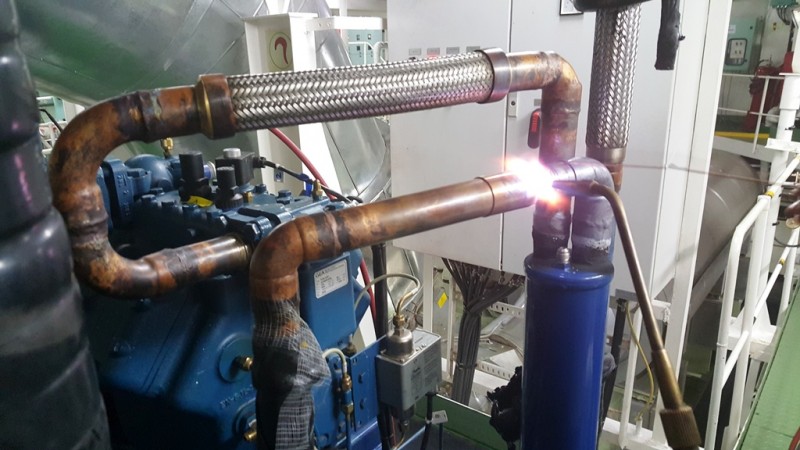
Identification of stress fractures and leak points in copper refrigerant piping throughout both systems. Preparation of damaged areas including cutting out fractured sections and preparing pipe ends for welding. Precision TIG welding operations on copper refrigerant lines using nitrogen purging to prevent internal oxidation. Critical weld points included suction lines, liquid lines and discharge piping. Quality verification of all welds using visual inspection and penetrant testing methods. Installation of new filter driers to remove moisture and contaminants. Replacement of clogged expansion valves with new thermostatic expansion valves calibrated for system capacity. Installation of new service valves and pressure ports for future maintenance access.

Hour 10-14: System Evacuation & Leak Testing

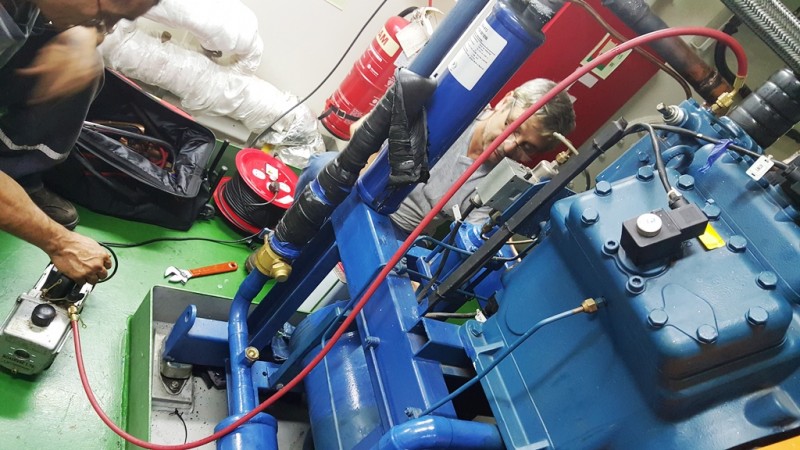
Connection of dual-stage vacuum pumps to both refrigeration systems. Deep evacuation to achieve 500 microns vacuum level for moisture removal—critical for R-404A systems which are highly hygroscopic. Vacuum hold test maintaining deep vacuum for 2 hours to verify system integrity and absence of leaks. Any pressure rise during hold test would indicate leaks requiring additional repair. Successful vacuum hold confirmed system tightness. Nitrogen pressure testing at 25 bar (362 PSI) test pressure—significantly above normal operating pressures—to verify structural integrity of all repairs. Electronic leak detection sweep of all repair joints, service valves and potential leak points using refrigerant-specific sensor. Soap bubble testing of suspected areas. All leak tests passed with zero detectable leaks.

Hour 14-16: Refrigerant Charging & System Commissioning

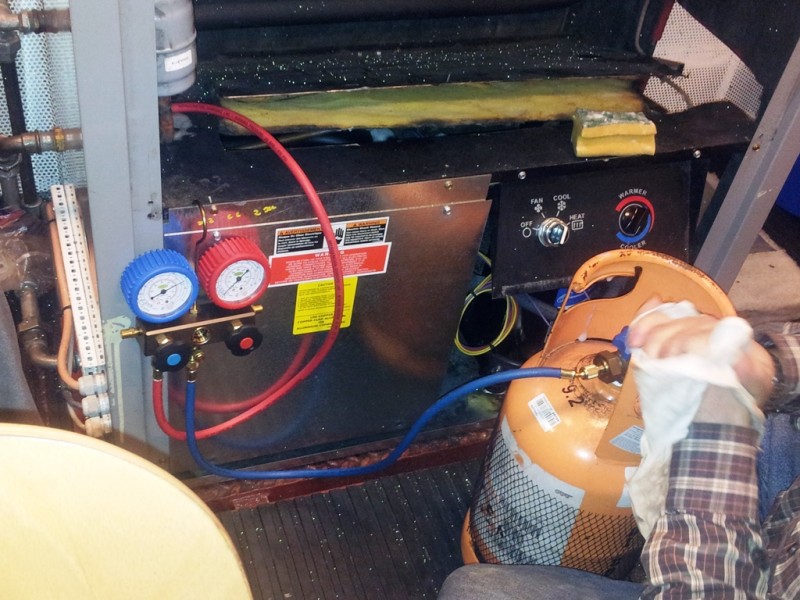
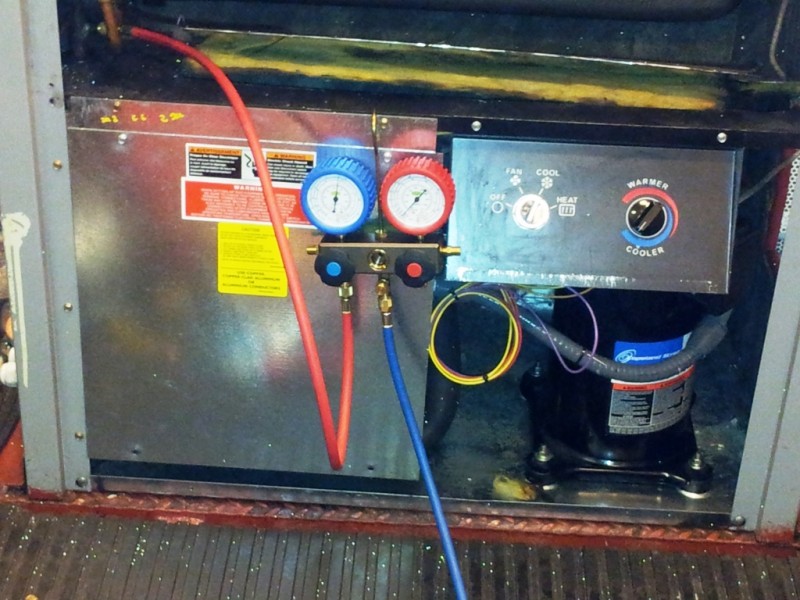
Calculation of precise refrigerant charge quantities based on system volume, manufacturer specifications and operating conditions. Charging of R-404A refrigerant using calibrated charging station with integrated scales for accuracy. Meat room system charged with 18 kg R-404A, vegetable room system with 15 kg R-404A. Monitoring of charging process through sight glass indicators and pressure gauges. Verification of proper liquid subcooling and suction superheat values. Sequential startup of compressors with careful monitoring of operating parameters including suction pressure, discharge pressure, motor current draw and operating temperatures. Adjustment of thermostatic expansion valves for optimal superheat control (8-12°F superheat target). Verification of proper evaporator defrost cycle operation and drain line functionality.

Hour 16-18: Performance Testing & Documentation

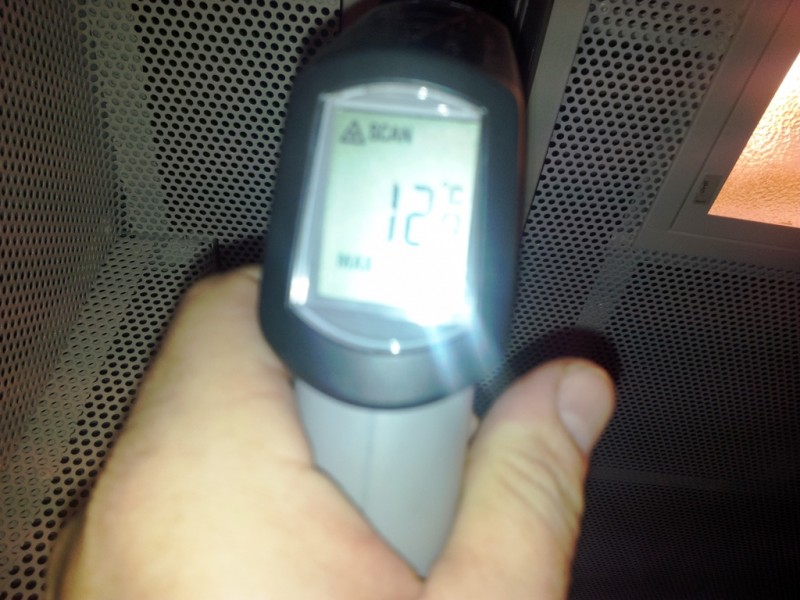
Comprehensive performance verification including temperature pull-down testing from ambient to target set points. Meat room achieved target temperature of -23°C within 4 hours. Vegetable room stabilized at -2°C within 3.5 hours. Verification of temperature uniformity throughout cold room spaces using multiple measurement points. Operational testing of all control systems including thermostats, defrost timers, door switches and alarm systems. Training session with vessel's chief engineer and electrician covering system operation, routine maintenance procedures, troubleshooting guidelines and emergency shutdown procedures. Preparation of comprehensive documentation package including repair records, pressure test certificates, refrigerant charging records, as-built drawings showing repair locations, maintenance recommendations and spare parts list for vessel's future reference. Final system handover with successful sign-off by chief engineer. Vessel cleared to continue voyage with full cold room operational capability restored.

Project Gallery

Technical Specifications

🚢

Vessel Size

142,000 DWT

Oceangoing bulk carrier with 120,000 tonnes grain cargo

⏱️

Response Time

18 Hours

Complete system restoration with continuous operations

❄️

Systems Restored

2 Cold Rooms

Meat room (-23°C) and vegetable room (-2°C)

🔧

Engineering Teams

2 Teams

Specialized refrigeration engineers working simultaneously

🌡️

Refrigerant Type

R-404A

33 kg total refrigerant charged (18kg + 15kg systems)

Test Pressure

25 Bar

Nitrogen pressure testing exceeding operating pressures