Project Overview

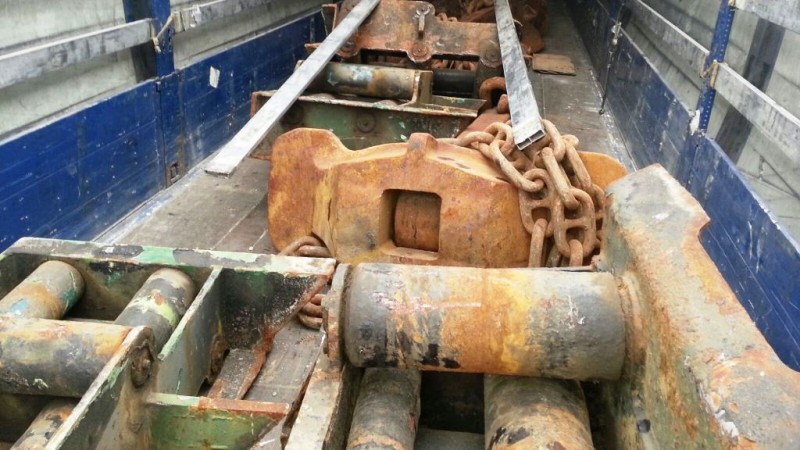
When a bulk carrier arrived at Tuzla Shipyards for scheduled drydocking, routine inspections revealed a critical situation: the vessel's entire mooring system had deteriorated to a dangerous condition requiring immediate and comprehensive attention. The mooring system—encompassing mooring winches, windlass units, anchors, anchor chains, hydraulic power systems and electrical controls—had suffered from years of harsh marine operations, inadequate maintenance and exposure to corrosive saltwater environments. Multiple systems showed signs of catastrophic failure including seized bearings, corroded hydraulic cylinders, fractured welds, degraded electrical components and chains with excessive wear beyond classification limits.

The challenge presented itself as more than routine maintenance. Maritime regulations mandate that all vessels maintain fully functional mooring equipment as essential safety systems and classification societies impose strict standards for anchor and mooring equipment condition. The vessel faced potential detention if repairs were not executed to specification. Furthermore, the integrated nature of mooring systems—where mechanical, hydraulic and electrical components must work in perfect coordination—required a comprehensive approach rather than piecemeal repairs. The shipyard's schedule constraints and the vessel owner's operational deadlines demanded efficient project execution within a tight 20-day window while maintaining the highest standards of workmanship and safety.

Seaway Ship Services was contracted to provide a turnkey solution: complete dismantling of the entire mooring system from the vessel, transportation to our specialized workshop facilities, comprehensive reconditioning of all components and reinstallation with full testing and certification within 20 days. This project would demonstrate our capabilities across multiple disciplines including heavy mechanical systems, hydraulic engineering, electrical repairs, precision machining and project management under compressed timelines.

Challenge & Solution

The Challenge

  • Complete mooring system malfunction across all components
  • Seized mooring winches with damaged bearings and gearing
  • Corroded hydraulic cylinders with internal seal failures
  • Degraded electrical control systems and motor components
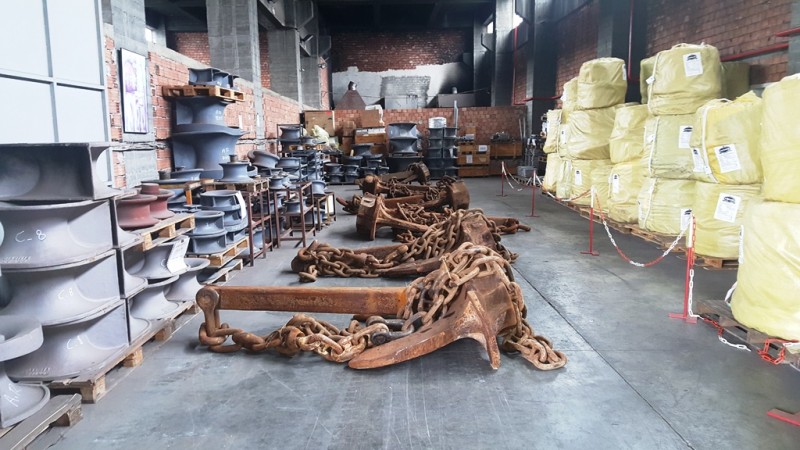
  • Anchor chains with excessive wear and elongation
  • Anchors requiring structural repairs and certification
  • Coordination of multiple specialized repair disciplines
  • Tight schedule within shipyard drydocking period
  • Heavy-lift operations for multi-tonne components
  • Classification society compliance requirements

Our Solution

  • Comprehensive survey and condition assessment of all systems
  • Detailed dismantling plan coordinated with shipyard operations
  • Transport of entire mooring system to Seaway workshop facilities
  • Complete disassembly and inspection of winches and windlass
  • Reconditioning of hydraulic cylinders with new seals and components
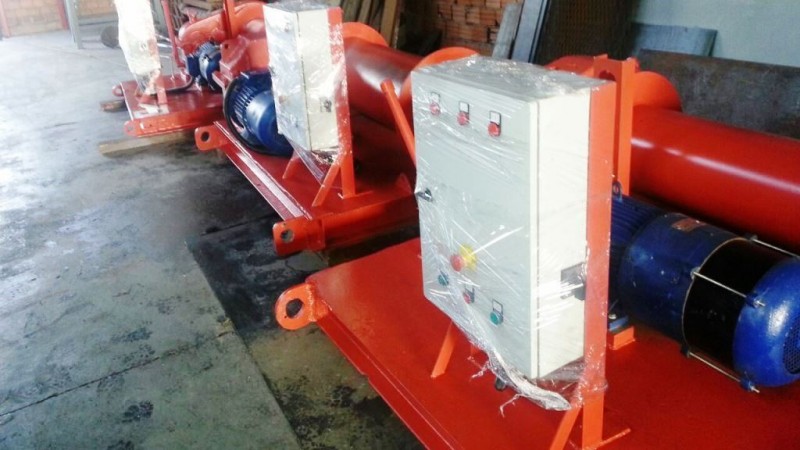
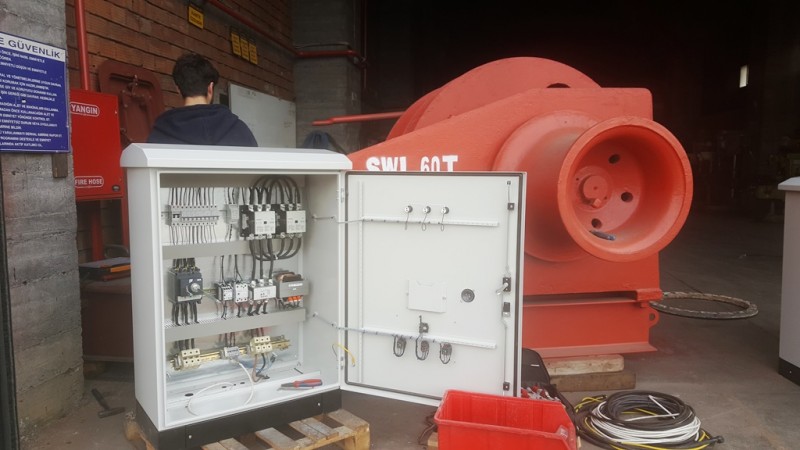
  • Electrical system overhaul including motors and control panels
  • Chain renewal and anchor structural repairs with load testing
  • Precision machining of worn components and bearing surfaces
  • System reinstallation with alignment verification
  • Comprehensive testing and classification certification

Project Execution Timeline

Days 1-3: Assessment, Planning & Dismantling

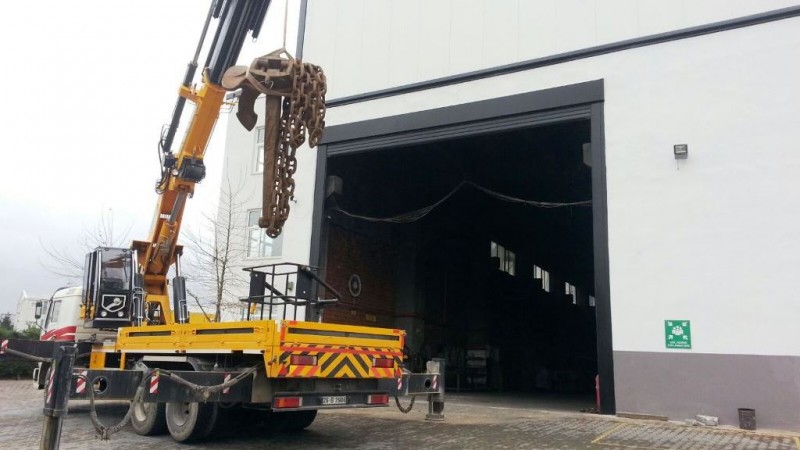
Initial comprehensive condition survey of entire mooring system conducted by Seaway engineering team in coordination with vessel's chief officer and shipyard supervisors. Detailed photographic documentation of all components, damage areas and system configurations for reference during reassembly. Development of comprehensive dismantling plan including lifting arrangements, rigging specifications, transport logistics and safety procedures. Coordination with shipyard management regarding crane availability, work area allocation and access schedules. Mobilization of specialized heavy-lift equipment including mobile cranes, rigging equipment and transport vehicles. Installation of temporary supports and securing arrangements to maintain vessel stability during component removal. Sequential dismantling of mooring system components beginning with electrical isolation and hydraulic system depressurization. Removal of mooring winches from deck foundations using coordinated heavy-lift operations—each winch unit weighing multiple tonnes requiring precision rigging. Disconnection and removal of windlass machinery from forecastle deck including anchor chain handling equipment. Careful removal of anchor chains with proper marking to maintain grade and position identification. Recovery of both port and starboard anchors using combination of vessel's cranes and shore-based equipment. Transport preparation including proper load securing, weight distribution and specialized transport vehicles. Multiple transport runs from Tuzla Shipyards to Seaway workshop facilities in organized batches maintaining component traceability.

Days 4-8: Complete Disassembly & Inspection

Systematic disassembly of mooring winches in controlled workshop environment with components organized and labeled. Removal of external housings, guards and access covers to expose internal mechanisms. Extraction of hydraulic motors, gearing assemblies, brake systems and drive components. Detailed inspection of all internal components including gears, bearings, shafts and structural elements. Identification of worn bearings requiring replacement—multiple bearing positions showing pitting, scoring and excessive clearance. Assessment of gear teeth condition revealing wear patterns requiring attention. Discovery of cracked welds in structural supports requiring certified repair procedures. Complete disassembly of hydraulic cylinders exposing internal rod assemblies, seals and cylinder bores. Inspection revealing severe corrosion of cylinder internal surfaces, seal degradation and rod scoring. Disassembly of hydraulic power units including pumps, valves, manifolds and reservoir tanks. Testing of hydraulic components revealing multiple valve failures and pump wear. Complete electrical system assessment including motor teardown, control panel inspection and wiring evaluation. Discovery of water ingress damage to motor windings requiring rewinding or replacement. Inspection of anchor chains using calibrated measurement tools to determine elongation and wear. Identification of chain links exceeding classification limits requiring renewal. Structural inspection of anchors revealing stress cracks and deformed sections requiring repair. Preparation of detailed component condition reports with recommendations for repair, reconditioning or replacement. Development of comprehensive parts and materials requirements list. Ordering of specialized components including bearings, seals, hydraulic parts and electrical components.

Days 9-14: Reconditioning & Repair Operations

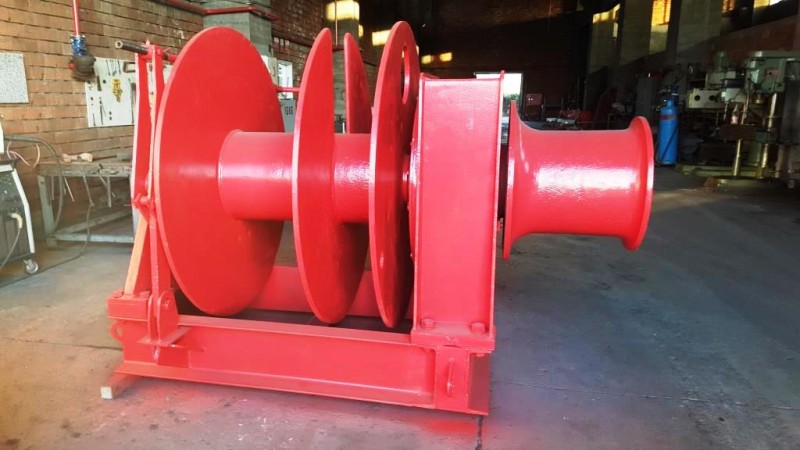
Precision machining operations for worn bearing surfaces, shaft journals and mating components using CNC and conventional machining centers. Surface preparation of all components including cleaning, degreasing and corrosion removal. Welding repairs of cracked structural components by coded welders following approved procedures. Stress relief heat treatment of critical welds where required. Reconditioning of hydraulic cylinders including cylinder bore machining to remove corrosion and restore surface finish. Replacement of all hydraulic seals, o-rings and wear components with new certified parts. Hydraulic rod re-chrome plating or replacement where damage exceeds reconditioning limits. Rebuilding of hydraulic pumps with new internal components and seals. Replacement of failed hydraulic valves and complete manifold overhaul. Flushing and testing of hydraulic system components in workshop test bench. Motor rewinding operations by specialized electrical subcontractor or replacement with new units. Control panel refurbishment including replacement of damaged contactors, relays and control devices. Renewal of degraded wiring and installation of new terminal connections. Replacement of excessively worn chain sections with new certified chain to classification standards. Anchor structural repairs including weld repairs, straightening and reinforcement where required. Installation of new bearings throughout mooring winch assemblies using proper fitting procedures including heating, cooling or hydraulic mounting as appropriate. Reassembly of gearing systems with new lubricants and proper mesh verification. Installation of rebuilt hydraulic motors and cylinders. Assembly of brake systems with new friction materials and adjustment verification. Complete reassembly of mooring winch units with proper alignment checks at each stage. Application of protective coatings including primer systems and marine-grade topcoats. Paint application to all external surfaces using approved coating specifications for marine service.

Days 15-17: Testing & Quality Assurance

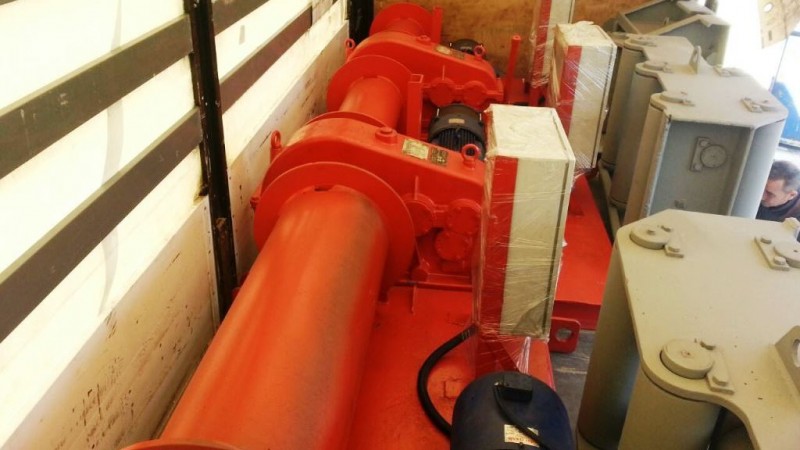
Workshop functional testing of reconditioned mooring winches including electrical motor operation verification under no-load conditions. Hydraulic system pressure testing to verify seal integrity and absence of leaks. Testing of all control functions including raising, lowering, tensioning and brake operation. Load testing of critical components where applicable using calibrated test equipment. Dimensional verification of all repaired components using precision measurement instruments. Quality control inspection of all welds using visual inspection and non-destructive testing methods. Verification of proper lubrication levels and system cleanliness. Documentation of all testing results with photographic evidence and measurement records. Preparation of quality assurance documentation package including material certificates, test reports and work records. Coordination with classification surveyor to schedule on-site inspection and approval. Classification society inspection of repaired components and review of documentation. Resolution of any surveyor observations or additional requirements. Preparation for return transport including proper packaging, securing and protection of reconditioned components. Organization of transport logistics coordinating with shipyard schedule. Transport of all reconditioned mooring system components back to vessel at Tuzla Shipyards using specialized heavy transport. Offloading and staging at quayside in organized manner for efficient reinstallation.

Days 18-20: Reinstallation & Commissioning

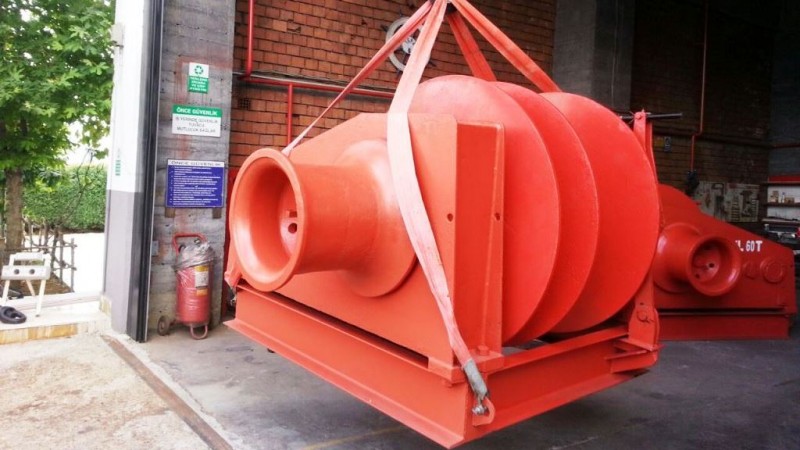
Positioning of mooring winches back onto deck foundations using precision heavy-lift operations. Alignment verification of all mounting positions using laser alignment tools. Securing of winches to deck foundations with proper bolt tightening to specified torque values. Installation of windlass machinery in forecastle with alignment checks. Reinstallation of anchor chains with proper routing through chain lockers and hawse pipes. Verification of chain markings and documentation of chain certificate numbers. Installation of anchors ensuring proper connection to chain system. Connection of hydraulic power lines from ship's hydraulic system to mooring equipment. Installation of new flexible hoses where required to replace aged or damaged hydraulic lines. Pressure testing of hydraulic connections to verify integrity and absence of leaks. Connection of electrical power cables from ship's distribution system to mooring motors. Installation of control cables connecting deck control stations to motor control panels. Wiring verification including continuity testing and insulation resistance measurements. Comprehensive system commissioning including initial power-up under controlled conditions. Sequential testing of each mooring station including all control functions. Operational testing of mooring winches under increasing load conditions. Testing of anchor windlass including chain handling, anchor raising and brake holding tests. Verification of all safety systems including emergency stops, overload protection and limit switches. Fine-tuning of hydraulic system pressures and flow rates for optimal performance. Adjustment of brake systems for proper holding force and release characteristics. Final inspection by classification surveyor including operational demonstration and documentation review. Issuance of class approval certificates for mooring system reconditioning. Preparation of complete handover documentation including operation manuals, maintenance procedures, component certificates and test records. Training session with vessel's deck officers and crew covering proper operation, safety procedures and routine maintenance requirements. Final handover to chief officer with complete documentation package. Demobilization of Seaway equipment and personnel from shipyard.

Project Gallery

Technical Specifications

🚢

Vessel Details

Bulk Carrier

Complete mooring system overhaul during drydocking

⏱️

Project Duration

20 Days

From dismantling through reinstallation and testing

⚙️

System Scope

Complete System

Winches, anchors, chains, hydraulic, electrical

🔧

Components

50+ Parts

Comprehensive reconditioning of all mooring systems

📍

Location

Tuzla, Istanbul

Workshop repairs with shipyard coordination

Certification

Class Approved

Full classification society certification