The Turkiye-Cyprus Water Pipeline Project represents one of the most ambitious infrastructure initiatives in the Eastern Mediterranean region—a strategic undertaking to transport freshwater from mainland Turkiye across 80 kilometers of Mediterranean seabed to address water scarcity challenges in Northern Cyprus. This monumental engineering achievement required the installation of a large-diameter steel pipeline system designed to deliver millions of cubic meters of freshwater annually through a submarine crossing of unprecedented scale. However, the harsh marine environment presented a formidable technical challenge: protecting hundreds of tonnes of steel pipeline infrastructure from the relentless corrosive forces of seawater that could rapidly degrade the system and compromise this vital water supply link.
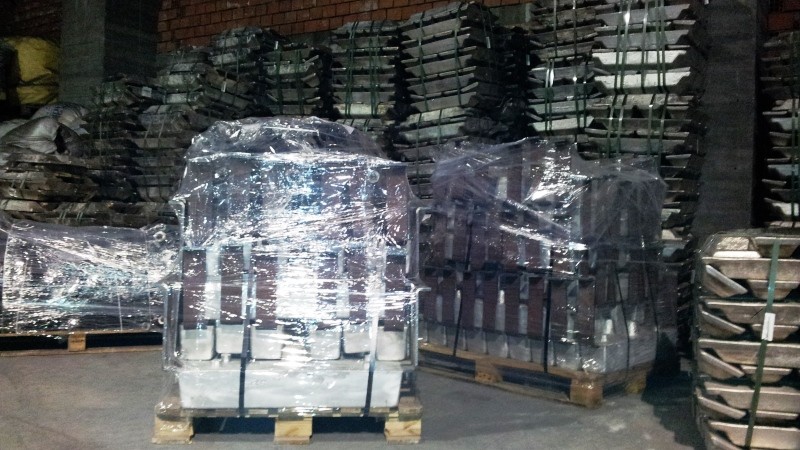
Seaway Ship Services, recognized as one of Turkiye's largest and most experienced producers of cathodic corrosion protection systems, was selected by the Turkish government to design, manufacture, deliver and install the comprehensive corrosion protection infrastructure for this critical national project. Our expertise in producing aluminium and zinc sacrificial anodes for marine applications—ranging from vessels and offshore rigs to subsea structures and pipeline systems—positioned us as the ideal partner for this complex undertaking. The project demanded not only massive production capacity to manufacture hundreds of specialized corrosion protection units but also deep technical knowledge of cathodic protection design principles, materials science, electrochemical engineering and submarine installation methodologies.
The challenge extended far beyond conventional marine corrosion protection projects. The freshwater pipeline system required custom-engineered cathodic protection solutions capable of providing decades of maintenance-free corrosion control in the aggressive Mediterranean seawater environment. Each protection unit needed precise engineering to deliver optimal current output, proper anode material selection for the specific water chemistry conditions, robust structural design to withstand subsea installation stresses and long-term environmental forces and integration with the pipeline installation methodology. Additionally, the project's strategic importance and tight construction schedule demanded flawless execution: two months of intensive engineering and planning followed by two and a half months of high-volume manufacturing, quality control, logistics coordination and installation support—all while maintaining the exacting standards required for infrastructure designed to serve for 50+ years of operational life.


