Baltic Oil Spill: Swedish Authorities Seize Tanker, Escalating Environmental Scrutiny
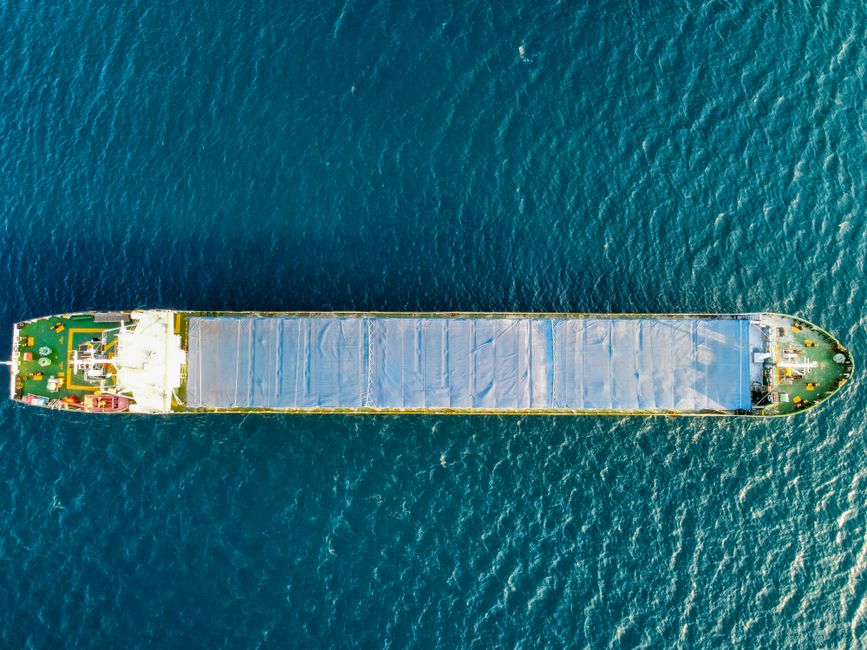 Photo: Lio Voo / Pexels
Swedish authorities have seized the 21-year-old chemical tanker Flora 1 on suspicion of an illegal oil discharge in the Baltic Sea, based on aerial surveillance. This incident underscores the escalating global focus on environmental compliance and the severe consequences for ship operators failing to adhere to maritime pollution regulations.
⚡ Key Takeaways
- Swedish authorities seized a tanker over an alleged Baltic oil spill, emphasizing strict environmental enforcement.
- The incident highlights significant operational, financial, and reputational risks for non-compliant ship operators.
- Increased environmental scrutiny, as seen in the Baltic, is a growing trend across European and Mediterranean routes.
- Ship managers must reinforce environmental protocols, enhance crew training, and ensure robust waste management practices.
The detention of the Sierra Leone-flagged chemical tanker Flora 1 by Swedish authorities for an alleged illegal oil spill in the Baltic Sea sends a clear and stark message across the maritime industry: environmental compliance is non-negotiable, and enforcement is becoming increasingly sophisticated and rigorous. This incident, based on aerial photographic evidence, highlights the growing capabilities of port state control and environmental agencies in monitoring and identifying potential violations, even in vast maritime areas.
For ship operators, owners, and fleet managers, the implications are significant. Beyond the immediate financial penalties, which can be substantial, such incidents lead to severe reputational damage, potential blacklisting, increased scrutiny during future port calls, and higher insurance premiums. The detention itself causes significant operational disruption, including delays, cargo spoilage risks, and substantial legal and administrative costs. This case serves as a critical reminder of the importance of robust environmental management systems, crew training on MARPOL regulations, and vigilant monitoring of vessel operations.
While this incident occurred in the Baltic Sea, its relevance extends far beyond. The heightened environmental scrutiny witnessed in Europe, particularly within the sensitive Mediterranean Sea and other critical shipping lanes connecting to Turkey and the Middle East, means similar enforcement actions are increasingly probable across these regions. As an Istanbul-based service provider, Seaway Ship Services recognizes that vessels transiting through or operating in these waters must anticipate similar levels of environmental oversight. The global trend towards stricter environmental protection, driven by international conventions and regional directives, necessitates proactive compliance from all stakeholders.
Practical takeaways for marine professionals include the urgent need to review and reinforce environmental compliance protocols, invest in advanced monitoring technologies, and ensure all crew members are thoroughly trained and aware of their responsibilities regarding waste management and discharge regulations. Regular internal audits and robust contingency plans for environmental incidents are no longer optional but essential. Partnering with reliable service providers for waste disposal and maintenance can also mitigate risks and ensure adherence to local and international standards.
Original article: Splash247 · Analysis by Seaway Ship Services Editorial
Need Maritime Supplies or Services?
Seaway Ship Services — 35 years serving vessels in Turkey, UK, Europe & the Middle East. 24/7 operations.
Get a Quote →