Black Sea Oil Hub Strikes: Novorossiysk Disruption & Maritime Risk Escalation
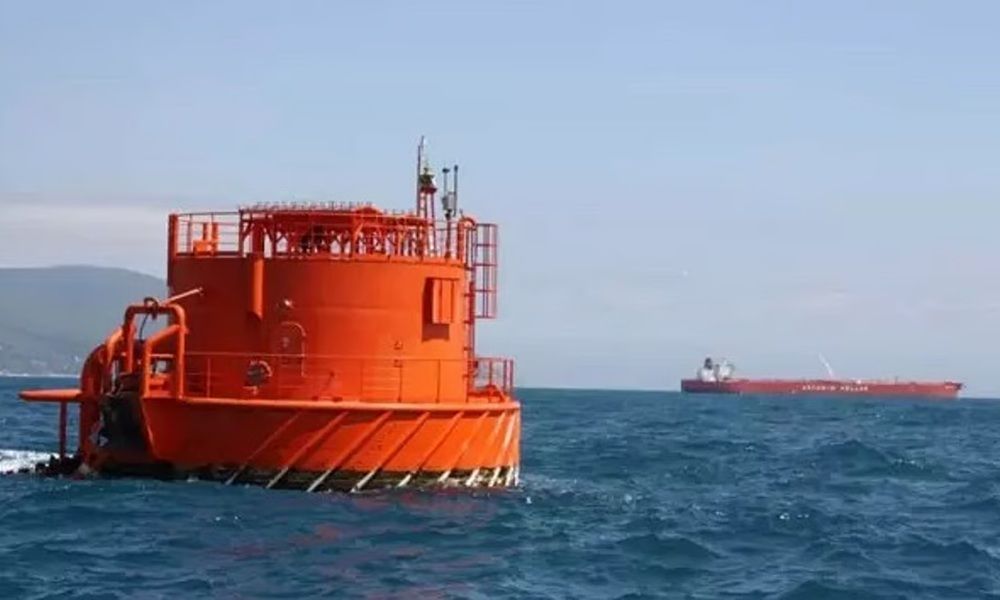 Photo: Splash247 / Pexels
Recent drone strikes on Novorossiysk's Caspian Pipeline Consortium (CPC) terminal have damaged critical oil export infrastructure, including an SPM and storage tanks, escalating risks in the Black Sea. This disruption directly impacts crude oil loading capabilities and introduces significant uncertainty for tanker movements and supply chains reliant on this vital hub.
⚡ Key Takeaways
- Drone strikes damaged Novorossiysk's CPC terminal, including SPM and storage tanks, disrupting oil exports.
- Impacts include potential vessel delays, increased insurance costs, and altered tanker traffic through Turkish Straits.
- Escalation raises operational risks in the Black Sea, affecting global crude supply and freight rates.
- Ship operators must implement robust contingency plans, monitor port status, and review war risk insurance.
Ukraine's intensified drone campaign targeting Russian energy infrastructure has now directly impacted key Black Sea export facilities, specifically the Caspian Pipeline Consortium (CPC) terminal near Novorossiysk. Reports confirm damage to a single point mooring (SPM), loading infrastructure, and multiple large storage tanks. This is not merely a localized incident; it represents a significant escalation in the conflict's maritime dimension, directly threatening the operational stability of a major global oil conduit.
For ship operators, owners, and fleet managers, the implications are immediate and multi-faceted. The CPC terminal is a crucial artery for Kazakh crude oil, representing approximately 1% of global oil supply. Damage to loading infrastructure, particularly SPMs, can severely curtail or halt tanker loading operations, leading to vessel delays, demurrage costs, and potential re-routing. This creates significant logistical headaches, impacting voyage schedules, bunker planning, and crew rotations. Furthermore, the heightened risk perception in the Black Sea may lead to increased insurance premiums (war risk), crew reluctance, and a general tightening of available tonnage for the region, pushing up freight rates.
From Seaway Ship Services' perspective, serving vessels across Turkey, Europe, and the Middle East, this incident has direct relevance. Novorossiysk is a pivotal port for crude exports transiting the Turkish Straits (Bosphorus and Dardanelles) into the Mediterranean and beyond. Any prolonged disruption at CPC will inevitably affect tanker traffic flow through these critical choke points. Turkish ports, already busy hubs, may see altered vessel patterns or increased demand for services as operators adjust. European refineries reliant on CPC crude will need to seek alternative supplies, potentially shifting demand to other regions and impacting global tanker demand and routes. Middle Eastern shipping, while not directly receiving CPC crude, could see ripple effects in global oil prices and tanker availability as the market adjusts.
Practical takeaways for marine procurement officers and port captains include prioritizing robust contingency planning for Black Sea voyages. This involves closely monitoring port status updates, maintaining flexible bunkering strategies, and reviewing insurance coverage for war risk clauses. Operators should actively engage with charterers and brokers to understand potential voyage alterations and assess the financial implications of delays or diversions. Diversifying supply chain reliance and exploring alternative routes or ports for critical cargo should also be on the agenda, reinforcing the need for agility in today's volatile maritime environment. Seaway Ship Services remains ready to support vessels navigating these complex operational challenges in the region.
Original article: Splash247 · Analysis by Seaway Ship Services Editorial
Need Maritime Supplies or Services?
Seaway Ship Services — 35 years serving vessels in Turkey, UK, Europe & the Middle East. 24/7 operations.
Get a Quote →