China's Panama Flag Detentions: Navigating Geopolitical Risks & Compliance
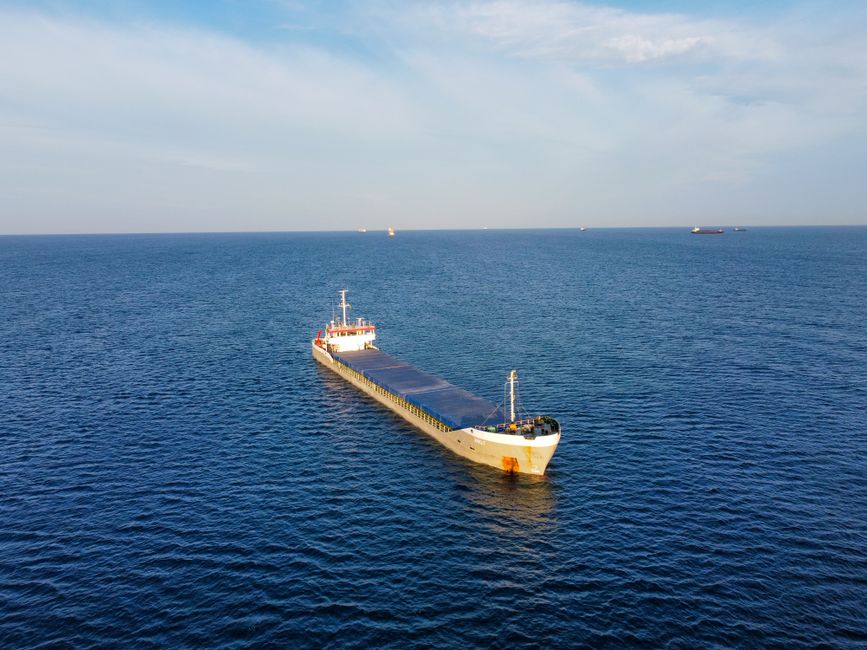 Photo: Lio Voo / Pexels
Recent detentions of Panama-flagged vessels by China, following a Panamanian court ruling, are sparking serious international concerns regarding the rule of law. This development necessitates careful consideration by ship operators concerning flag state implications and potential operational disruptions.
⚡ Key Takeaways
- China's detentions of Panama-flagged vessels raise global rule of law concerns.
- Impacts major flag state (Panama) stability, affecting global fleet operations.
- Potential for increased scrutiny, delays, and re-routing for Panama-flagged ships.
- Highlights need for robust risk management and compliance for all marine professionals.
The U.S. Secretary of State Marco Rubio's statement regarding China's detentions of Panama-flagged vessels highlights a concerning intersection of geopolitics, national legal systems, and international shipping. These detentions reportedly stem from a Panamanian court ruling, suggesting a retaliatory or leverage-seeking measure by China. This situation is not merely a bilateral dispute; it raises fundamental questions about the sanctity of international maritime law, the stability of flag state registrations, and the potential for political considerations to impact commercial shipping operations.
For ship operators, fleet managers, port captains, and marine procurement officers, this development is critical. Panama is the world's largest flag state, meaning a significant portion of the global merchant fleet operates under its registry. Any perceived instability or vulnerability associated with the Panamanian flag could trigger a cascade of operational and commercial challenges. Operators must assess the potential for increased scrutiny, delays, or even detentions for their Panama-flagged vessels when calling at Chinese ports or transiting Chinese-controlled waters. This could lead to higher insurance premiums, re-routing decisions, or even a re-evaluation of flag state choices, although switching flags is a complex and costly endeavor.
While the immediate impact is most direct for vessels operating in the Asia-Pacific region, the ripple effects can extend globally. Turkish, Mediterranean, European, and Middle Eastern shipping routes are intrinsically linked to global trade networks. Vessels regularly traverse these regions en route to or from Asian markets. Any disruption to a major flag state's vessels could cause port congestion, cargo delays, and supply chain bottlenecks that resonate far beyond China's immediate vicinity. For vessels requiring services in Turkey, the UK, Europe, or the Middle East, understanding the implications of such geopolitical tensions on their voyages is paramount for efficient planning and procurement.
Practically, marine professionals should:
1. **Monitor the situation closely:** Stay informed about official advisories from Panama, China, and international maritime organizations.
2. **Review port call plans:** Assess risks for Panama-flagged vessels calling at Chinese ports or ports with strong Chinese influence.
3. **Ensure compliance:** Double-check all vessel documentation, certifications, and crew qualifications to minimize any grounds for detention.
4. **Engage legal counsel:** Seek advice on potential liabilities or necessary actions if operating Panama-flagged vessels in high-risk areas.
5. **Evaluate flag state diversification (long-term):** While not an immediate solution, consider the strategic implications of flag state choices in an increasingly complex geopolitical landscape.
This incident underscores the imperative for robust risk management and agile operational planning in today’s maritime industry.
Original article: gCaptain · Analysis by Seaway Ship Services Editorial
Need Maritime Supplies or Services?
Seaway Ship Services — 35 years serving vessels in Turkey, UK, Europe & the Middle East. 24/7 operations.
Get a Quote →