Global Fuel Export Drop: Middle East Conflict & Transit Curbs Impact Shipping
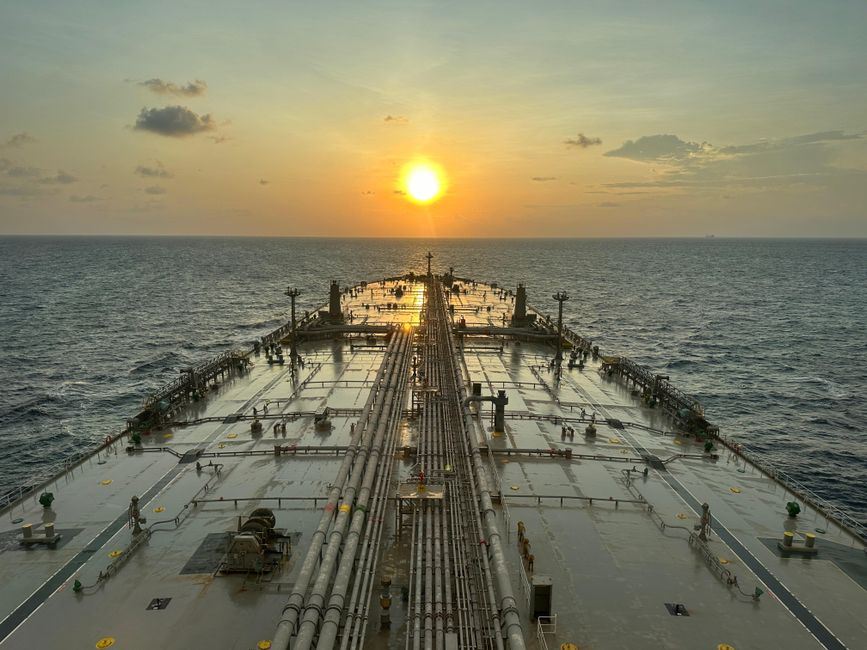 Photo: Punit Singh / Pexels
Global transport fuel exports, encompassing gasoline, jet/kero, and diesel, experienced a 1mbd year-on-year decline in March, primarily due to reduced liftings from the Middle East. This downturn was exacerbated by ongoing regional conflicts and curtailed transits through the critical Strait of Hormuz, impacting global shipping fuel availability.
⚡ Key Takeaways
- Global transport fuel exports fell by 1mbd in March, primarily from the Middle East.
- Middle East conflicts and Strait of Hormuz transit reductions are key drivers of the decline.
- Ship operators face potential bunker fuel scarcity, price volatility, and increased operational costs.
- Proactive fuel procurement, diversified bunkering, and voyage optimization are crucial for mitigating impact.
The reported 1mbd year-on-year drop in global transport fuel exports in March, as highlighted by Hellenic Shipping News, is a significant development for the maritime industry. This decline, predominantly attributed to lower liftings from the Middle East and Asia, stems from a confluence of factors including regional conflicts and reduced transits through vital chokepoints like the Strait of Hormuz. For ship operators, owners, and managers, this trend is not merely a statistical anomaly but a direct indicator of potential supply chain vulnerabilities and increased operational risks.
Reduced fuel exports from the Middle East, a pivotal bunkering region, directly translate to tighter availability and potentially higher prices for marine fuels globally. The ongoing conflict and its impact on shipping through the Strait of Hormuz, a conduit for a substantial portion of the world's oil and gas, force vessels to consider alternative, longer routes. Such diversions lead to increased voyage times, higher fuel consumption, and subsequently, elevated operational costs. This ripple effect extends beyond immediate bunkering challenges, potentially impacting vessel scheduling, charter rates, and overall profitability.
From Seaway Ship Services' perspective, serving vessels across Turkey, the UK, Europe, and the Middle East, these shifts are particularly pertinent. Turkish ports and the wider Mediterranean are strategic hubs for vessels transiting between Europe, Asia, and the Middle East. Disruptions in Middle Eastern fuel flows can strain supply chains reaching these regions, making reliable bunkering and logistical support even more critical. European and UK ports may see increased demand for bunker fuels as operators seek more stable supply points away from volatile regions. Our extensive network and deep understanding of regional dynamics allow us to anticipate these challenges and provide robust solutions.
For marine procurement officers and port captains, the practical takeaways are clear: proactive fuel procurement strategies are paramount. This involves diversifying bunkering locations, negotiating flexible supply contracts, and closely monitoring global fuel market dynamics. Furthermore, optimizing vessel efficiency to reduce fuel consumption becomes even more financially advantageous. Seaway Ship Services stands ready to assist ship operators in navigating this complex environment, offering not just reliable bunkering but also comprehensive technical support and supply chain solutions to mitigate the impacts of these evolving global fuel flow shifts.
Original article: Hellenic Shipping News · Analysis by Seaway Ship Services Editorial
Need Maritime Supplies or Services?
Seaway Ship Services — 35 years serving vessels in Turkey, UK, Europe & the Middle East. 24/7 operations.
Get a Quote →