Hormuz Reopens: Navigating the Temporary US-Iran Ceasefire & Its Shipping Impact
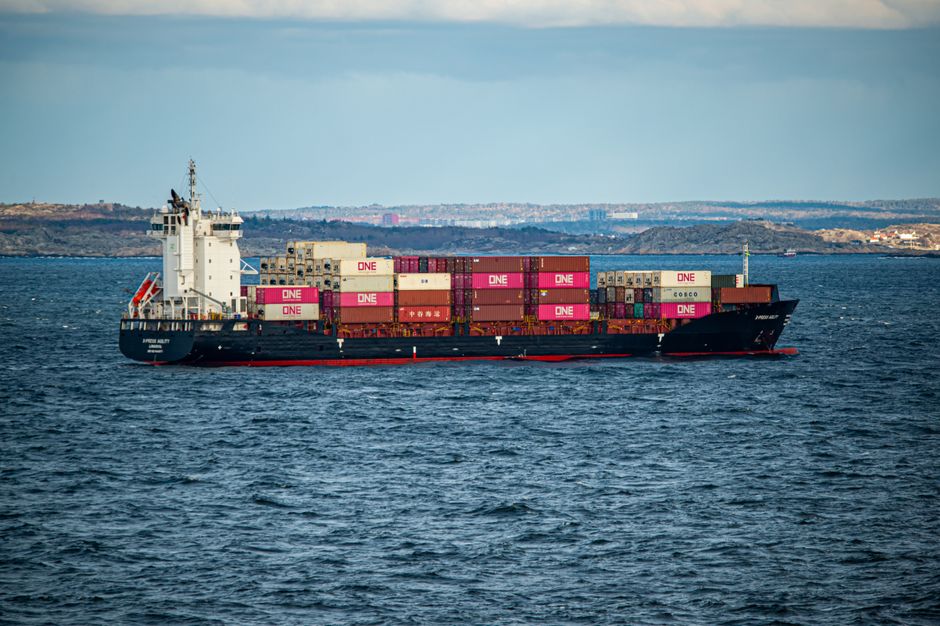 Photo: Oleksiy Konstantinidi,🌻🇺🇦🌻 / Pexels
A temporary ceasefire between the US and Iran has partially reopened the Strait of Hormuz, offering a crucial but precarious reprieve for global shipping. This diplomatic breakthrough, while fragile, directly impacts vessel transit, insurance premiums, and supply chain stability for marine professionals.
⚡ Key Takeaways
- Temporary Hormuz reopening eases immediate shipping risks and costs.
- War risk insurance premiums likely to decrease, improving operational margins.
- Vessel scheduling and supply chain reliability for energy routes to Europe will benefit.
- Operators must remain vigilant; 'temporary' status requires ongoing risk assessment and contingency planning.
The recent agreement between the United States and Iran, leading to a temporary ceasefire and partial reopening of the Strait of Hormuz, represents a significant, albeit tenuous, shift in a critical geopolitical hotspot. This development is momentous because the Strait of Hormuz is arguably the most vital chokepoint for global energy and trade, with approximately 20% of the world's petroleum and a substantial volume of LNG transiting its waters daily. Its disruption has previously led to spikes in oil prices, increased insurance premiums, and rerouting of vessels, directly impacting the profitability and operational efficiency of ship operators worldwide.
For ship operators, owners, and managers, this temporary reopening offers immediate relief from the heightened security risks and logistical complexities that characterized the Strait's closure. The primary impact will be a potential reduction in war risk insurance premiums, which have been a significant overhead for vessels operating in or near the Persian Gulf. Furthermore, the easing of transit restrictions will allow for more predictable scheduling and potentially faster turnaround times, reducing demurrage costs and improving supply chain reliability. However, the 'major strings attached' aspect of the deal necessitates extreme caution. Operators must remain vigilant, understanding that this is a temporary arrangement and the underlying tensions have not been fully resolved. Contingency planning for potential future disruptions remains paramount.
From a regional perspective, this development has direct relevance to Turkish, Mediterranean, and European shipping routes. Vessels serving these regions, particularly those involved in energy transportation from the Middle East, will benefit from the improved transit conditions. The stability in Hormuz can indirectly influence freight rates and commodity prices in European markets by ensuring a steady flow of crude oil and refined products. For Seaway Ship Services, operating in Turkey, the UK, Europe, and the Middle East, this means a more stable operating environment for clients. Our ability to service vessels in key transit points around Turkey, which often serve as gateways for cargo originating from or destined for the Persian Gulf, becomes even more critical in supporting these dynamic supply chains. Marine procurement officers should monitor bunker fuel prices, which may see some stabilization, and leverage this period to optimize logistics and inventory management.
Practical takeaways include maintaining enhanced situational awareness and intelligence from reputable sources, reviewing and updating security protocols, and closely monitoring insurance policy terms. While this offers a window of opportunity, it is not a return to pre-disruption normalcy. Flexibility, robust risk assessment, and proactive communication with charterers and insurers are essential for navigating this evolving landscape.
Original article: gCaptain · Analysis by Seaway Ship Services Editorial
Need Maritime Supplies or Services?
Seaway Ship Services — 35 years serving vessels in Turkey, UK, Europe & the Middle East. 24/7 operations.
Get a Quote →