Hormuz Strait Access: UAE Warns on US-Iran Deal & Maritime Security
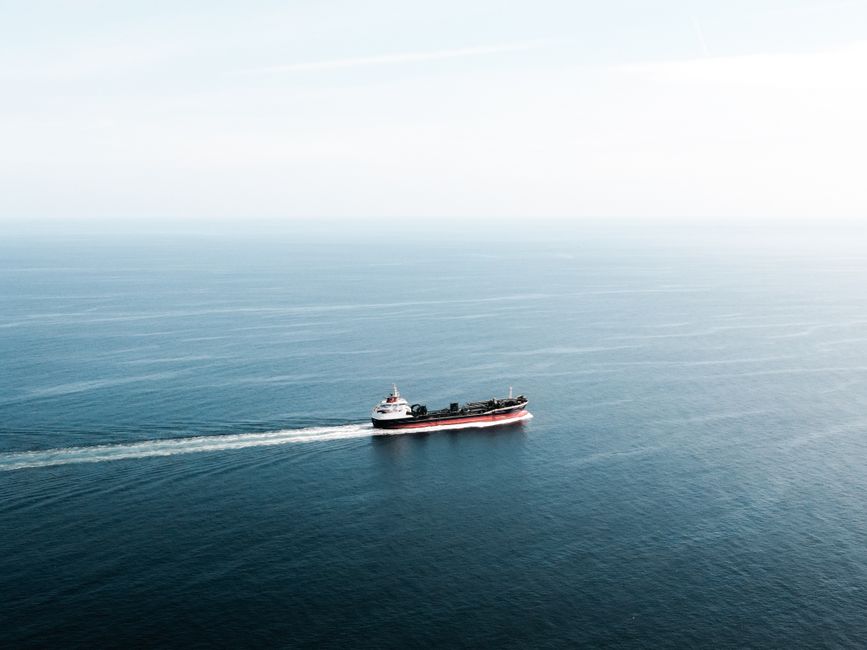 Photo: Lewis Ashton / Pexels
A senior UAE official has underscored the critical importance of guaranteed access through the Strait of Hormuz in any future US-Iran agreement, cautioning that a weak deal could escalate regional instability. This development directly impacts maritime security and operational planning for vessels transiting the Middle East.
⚡ Key Takeaways
- UAE demands guaranteed Hormuz access in US-Iran deal.
- Potential for increased regional volatility and maritime security risks.
- Impacts insurance costs, security measures, and potential route diversions.
- Affects global trade, especially routes via Suez Canal to Europe/Mediterranean.
- Requires enhanced risk management and contingency planning for ship operators.
The recent statement by UAE official Anwar Gargash, emphasizing the imperative of guaranteed access through the Strait of Hormuz in any US-Iran settlement, carries significant weight for the global maritime industry. His warning that a deal failing to curb Iran's nuclear ambitions, missiles, and drones would lead to a 'more dangerous, more volatile Middle East' highlights the precarious balance of power in a region crucial for global trade. The Strait of Hormuz, a narrow choke point between the Persian Gulf and the Gulf of Oman, is indispensable for the transit of a substantial portion of the world's seaborne oil and gas, as well as significant volumes of containerized and bulk cargo.
For ship operators, owners, and managers, this declaration is not merely political rhetoric; it's a direct signal for potential operational disruptions and heightened risk. Increased volatility could translate into higher insurance premiums (war risk, P&I), elevated security costs (armed guards, enhanced surveillance), and potential route diversions, adding significant time and fuel expenses. The specter of a 'more dangerous' region implies a greater likelihood of maritime incidents, whether from direct conflict, accidental engagements, or asymmetric threats, necessitating robust contingency planning and adherence to strict security protocols.
This development is particularly relevant for Turkish, Mediterranean, European, and Middle Eastern shipping routes. Vessels transiting the Suez Canal to and from Asia frequently navigate the Strait of Hormuz. Any instability there could bottleneck trade flows, affecting supply chains reaching European and Mediterranean ports. As an Istanbul-based service provider, Seaway Ship Services recognizes that disruptions in this critical waterway ripple outwards, impacting vessel schedules, port calls, and demand for services across our operational regions. Increased uncertainty in the Gulf could also drive up bunker fuel prices globally due to supply concerns, impacting operating costs for all vessels.
Practical takeaways for marine professionals include: closely monitoring geopolitical developments in the region; reviewing and updating vessel security plans; engaging with insurance providers regarding war risk coverage; assessing potential alternative routing options, however costly; and ensuring robust communication protocols are in place for crews operating in high-risk areas. Proactive risk management and diligent situational awareness are paramount to navigating these complex waters successfully.
Original article: gCaptain · Analysis by Seaway Ship Services Editorial
Need Maritime Supplies or Services?
Seaway Ship Services — 35 years serving vessels in Turkey, UK, Europe & the Middle East. 24/7 operations.
Get a Quote →