Hormuz Tensions: Trump's Rhetoric & Maritime Operational Readiness
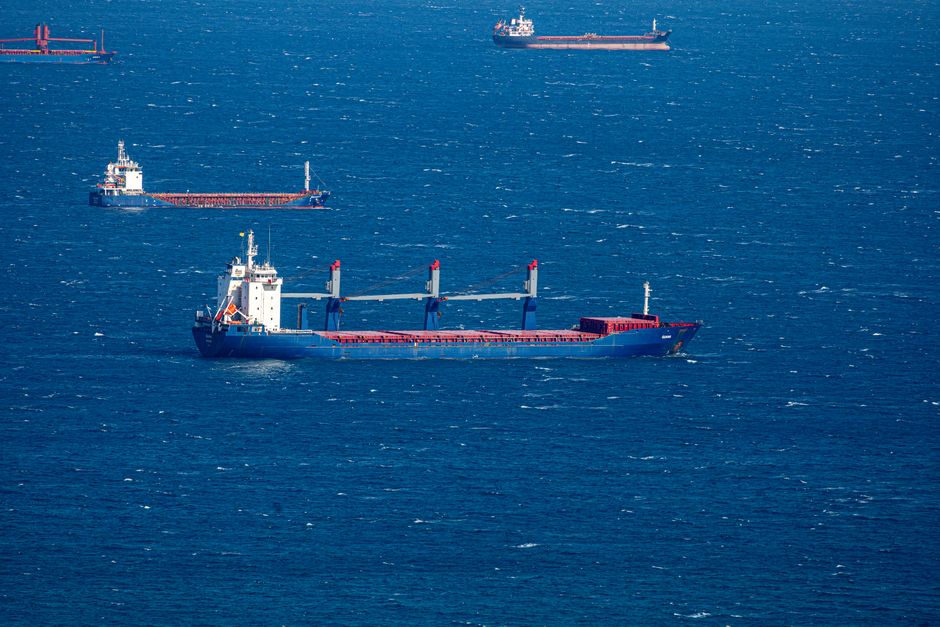 Photo: Regan Dsouza / Pexels
President Trump's recent comments regarding the Strait of Hormuz highlight persistent geopolitical tensions impacting a critical maritime chokepoint. This rhetoric underscores the need for ship operators to maintain heightened situational awareness and robust contingency planning.
⚡ Key Takeaways
- Trump's Hormuz rhetoric escalates geopolitical risk in a critical maritime chokepoint.
- Ship operators face potential increases in war risk insurance premiums and route deviation costs.
- Disruption in Hormuz would cause global oil price volatility, impacting bunker costs worldwide.
- Turkish and European shipping could see indirect impacts from global trade route shifts.
- Proactive monitoring, contingency planning, and flexible ship services are essential for fleet managers.
President Trump's assertion that the U.S. could 'take' the Strait of Hormuz with 'a little more time,' made amidst calls for a swift resolution to potential conflict with Iran, introduces a significant layer of geopolitical uncertainty into an already volatile region. The Strait of Hormuz is arguably the world’s most important oil transit chokepoint, with approximately one-fifth of global petroleum liquids consumption, or about 21 million barrels per day, passing through it. Any perceived threat to its navigability, whether from military action or political posturing, directly impacts global energy markets and, by extension, the entire maritime industry.
For ship operators, owners, and managers, such statements translate into tangible operational risks and planning challenges. The immediate impact centers on increased war risk premiums for insurance, which can significantly escalate voyage costs. Furthermore, the threat of disruption necessitates re-evaluating established shipping routes, potentially leading to longer transit times and higher fuel consumption if vessels are diverted around the Arabian Peninsula. This not only impacts schedules but also puts pressure on crew welfare and ship maintenance cycles. The psychological effect on crews operating in or near the region, coupled with the need for enhanced security protocols, adds another layer of complexity for fleet managers.
While the Strait of Hormuz is geographically distant from Turkey, the Mediterranean, and broader European shipping routes, its strategic importance creates a ripple effect across global trade. Disruption in the Persian Gulf would inevitably lead to oil price spikes, affecting bunker fuel costs worldwide, including for vessels operating in the Mediterranean and Black Sea. Furthermore, any significant re-routing of vessels to bypass Hormuz could increase traffic and congestion in alternative routes, indirectly impacting port operations and vessel turnaround times in hubs like Istanbul, Piraeus, or Rotterdam. Turkish ship operators engaged in container, bulk, or tanker trades reliant on global energy prices or supply chains would feel the economic tremors.
Practical takeaways for marine professionals include: (1) Closely monitor geopolitical developments and official advisories, (2) Engage proactively with insurance providers to understand war risk clauses and premiums, (3) Develop and regularly review contingency plans for route deviations, (4) Ensure robust communication channels with vessels and crews operating in or near high-risk areas, and (5) Factor potential bunker price volatility into voyage budgeting. Maintaining flexibility and access to reliable ship services, even under duress, becomes paramount.
Original article: gCaptain · Analysis by Seaway Ship Services Editorial
Need Maritime Supplies or Services?
Seaway Ship Services — 35 years serving vessels in Turkey, UK, Europe & the Middle East. 24/7 operations.
Get a Quote →