Hormuz Unblock: 15 Ships Through, Geopolitical Pressure Mounts
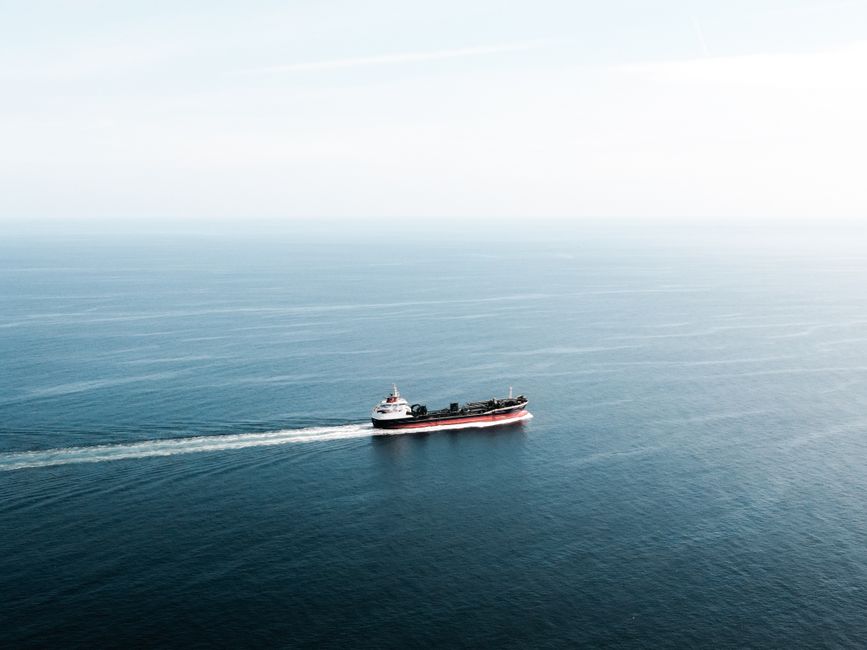 Photo: Lewis Ashton / Pexels
Iran has allowed 15 ships to transit the Strait of Hormuz amidst growing international diplomatic pressure, signaling a potential easing of blockades but maintaining high geopolitical tensions. This development offers a brief respite for maritime trade, yet the underlying instability continues to demand vigilance from ship operators.
⚡ Key Takeaways
- 15 ships transited Strait of Hormuz amidst diplomatic pressure.
- Geopolitical tensions remain high despite partial unblocking.
- Operators must prepare for continued risks and potential disruptions.
- Impacts global energy markets and critical Middle East-Europe shipping routes.
The recent news of Iran permitting 15 vessels to transit the Strait of Hormuz is a critical, albeit limited, development in a highly volatile region. This movement comes against the backdrop of over 40 nations agreeing to intensify diplomatic pressure to unblock the vital waterway, juxtaposed with assertive social media rhetoric from the US. The Strait of Hormuz is a choke point for approximately one-fifth of the world's total oil consumption and a significant portion of global LNG trade, making any disruption a seismic event for international energy markets and maritime logistics. The initial blockade created immense uncertainty, leading to increased insurance premiums, re-routing considerations, and significant delays for vessels awaiting passage.
For ship operators, owners, and fleet managers, this partial unblocking offers a momentary alleviation of immediate pressure. However, it does not signify a return to normalcy. The fundamental geopolitical tensions remain, and the risk of future disruptions, whether from further blockades, heightened security threats, or miscalculations, persists. Operators must continue to factor in contingency planning, including potential longer transit times, increased fuel costs due to re-routing, and elevated war risk insurance premiums. The erratic nature of the situation underscores the need for real-time intelligence and adaptable operational strategies.
From a regional perspective, the Strait of Hormuz's stability directly impacts shipping routes connecting the Middle East with Europe, Asia, and beyond. Vessels transiting to or from the Arabian Gulf, destined for the Mediterranean through the Suez Canal, or rounding Africa, are all affected by conditions in the Strait. For Seaway Ship Services, operating from Istanbul and serving vessels across Turkey, the UK, Europe, and the Middle East, the ripple effects are tangible. Delays in the Gulf can impact schedules for vessels requiring services in Turkish ports or other Mediterranean hubs. The unpredictability necessitates enhanced coordination for port calls, bunkering, and repair services, as vessel ETAs can shift dramatically.
Practical takeaways for marine professionals include maintaining stringent security protocols, reviewing voyage plans with flexibility in mind, and staying abreast of all advisory notices from maritime authorities and intelligence providers. Engage with your insurance providers to understand coverage implications and potential adjustments. Furthermore, leverage experienced service providers like Seaway Ship Services to mitigate operational challenges; our regional expertise can assist in navigating these complex waters, ensuring timely and efficient support despite evolving geopolitical landscapes. This is not a 'clear all-ahead' signal, but rather a temporary easing within a persistent climate of risk.
Original article: Seatrade Maritime · Analysis by Seaway Ship Services Editorial
Need Maritime Supplies or Services?
Seaway Ship Services — 35 years serving vessels in Turkey, UK, Europe & the Middle East. 24/7 operations.
Get a Quote →