Hydrogen's Near-Term Promise: Short Sea Shipping Leads Decarbonization
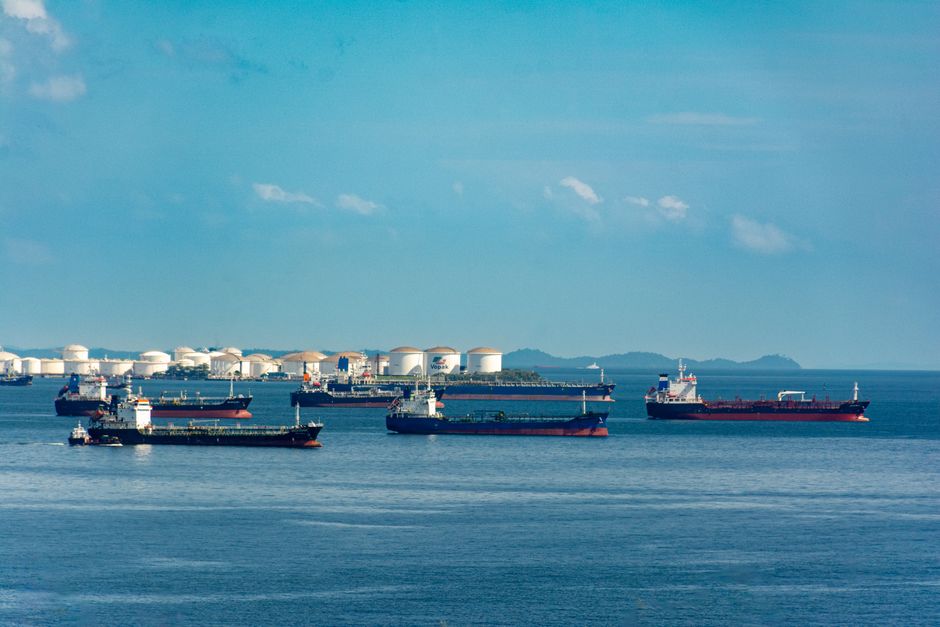 Photo: Zifeng Xiong / Pexels
Splash247 highlights hydrogen's immediate potential in short sea shipping, shifting focus from deep-sea challenges to practical near-term applications. This re-evaluation offers significant opportunities for operators navigating regional routes, especially concerning regulatory compliance and operational efficiency.
⚡ Key Takeaways
- Hydrogen's immediate potential is in short sea shipping, not deep-sea.
- Short sea vessels' fixed routes simplify hydrogen bunkering and logistics.
- Early hydrogen adoption offers regulatory compliance and competitive advantages.
- High relevance for Turkish, Mediterranean, and European short sea routes.
The Splash247 article, featuring insights from Dave Lee of e1 Marine, critically reframes the debate around hydrogen as a maritime fuel. While much discussion has centered on deep-sea shipping's long-term decarbonization challenges, this piece astutely points out that hydrogen's immediate viability lies within the short sea sector. This perspective is crucial for ship operators, fleet managers, and marine procurement officers, as it brings a seemingly distant technology into a practical, near-term operational horizon.
For ship operators and owners, this shift in focus is highly impactful. Short sea vessels, often operating on fixed routes with predictable bunkering needs, are inherently better suited to manage the current limitations of hydrogen – namely, storage complexity, cost, and nascent infrastructure. The ability to refuel at specific, established ports significantly mitigates the 'chicken and egg' problem of infrastructure development. Furthermore, with increasing regulatory pressure on emissions, adopting hydrogen-powered short sea vessels could provide a competitive advantage, demonstrating early commitment to decarbonization and potentially accessing green shipping incentives.
This development holds particular relevance for shipping routes in Turkey, the Mediterranean, Europe, and the Middle East. These regions are characterized by dense short sea traffic, connecting numerous ports across relatively short distances. For example, intra-Mediterranean routes, coastal traffic around Turkey, and short-haul voyages within the European Union (e.g., Baltic Sea, North Sea) present ideal 'corridors' for early hydrogen adoption. Turkish shipowners and operators, pivotal players in these waters, should closely monitor hydrogen pilot projects and infrastructure developments. As Seaway Ship Services, we anticipate increased demand for specialized bunkering services, technical support for hydrogen-ready vessels, and potentially retrofit solutions as this trend gains momentum.
Practical takeaways for maritime professionals include: (1) Begin assessing fleet suitability for hydrogen adoption, particularly for vessels engaged in short sea trade. (2) Engage with classification societies and technology providers to understand the latest advancements in hydrogen propulsion and safety. (3) Monitor regulatory frameworks in key operating regions for incentives or mandates related to alternative fuels. (4) For procurement, start evaluating the emerging supply chain for hydrogen fuel and related services. This proactive approach will position operators to capitalize on the decarbonization wave, ensuring compliance and operational longevity.
Original article: Splash247 · Analysis by Seaway Ship Services Editorial
Need Maritime Supplies or Services?
Seaway Ship Services — 35 years serving vessels in Turkey, UK, Europe & the Middle East. 24/7 operations.
Get a Quote →