India's Iranian Oil Play: Navigating Energy Crisis & Fueling Shipping Shifts
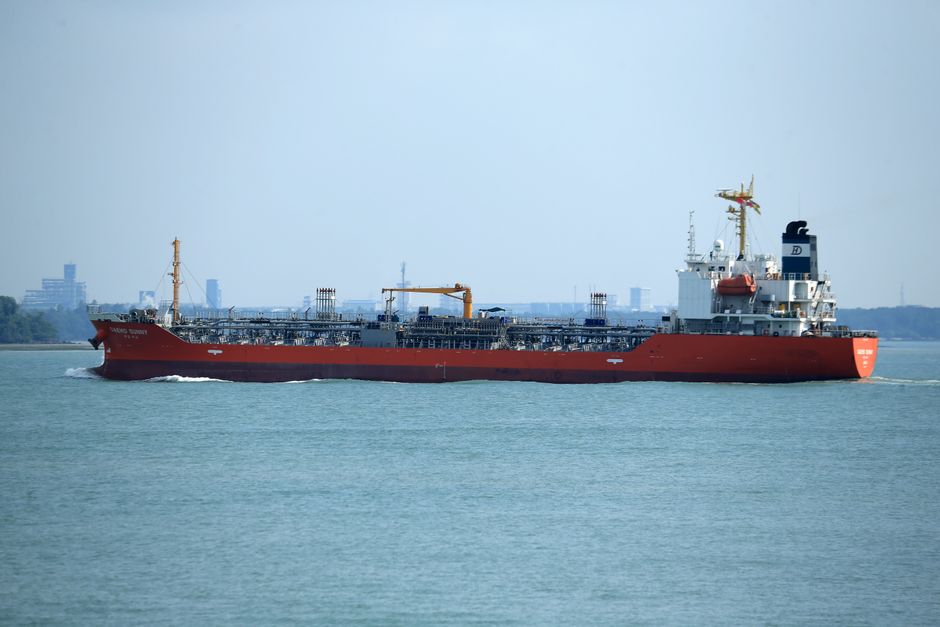 Photo: Jeffry Surianto / Pexels
India has confirmed its purchase of Iranian crude to address an ongoing energy crisis, a move with significant implications for global oil markets and maritime logistics. This development signals potential shifts in trade flows and bunker fuel dynamics, requiring close monitoring by ship operators.
⚡ Key Takeaways
- India's Iranian oil purchases indicate a shift in global energy supply dynamics.
- Potential impact on bunker fuel pricing and availability for ship operators.
- Increased tanker traffic through Suez/Mediterranean routes possible, affecting regional ports.
- Maritime professionals must prioritize flexible bunker procurement and voyage planning.
India's recent acknowledgment of crude oil purchases from Iran, driven by the current energy crisis, represents a critical shift in global energy dynamics. This decision, while aimed at securing India's domestic energy supply, has broader repercussions for international shipping and the maritime industry. For ship operators, owners, and managers, this development primarily impacts bunker fuel availability, pricing, and potential routing strategies. Increased demand for Iranian crude could lead to a re-evaluation of supply chains and a potential diversification of sourcing for various refined products, including marine fuels.
The immediate impact on ship operators and fleet managers revolves around the stability and cost of bunker fuel. If Iranian oil re-enters a more significant portion of the global supply chain, it could introduce a new variable into the already volatile bunker market. While potentially easing supply pressures in some regions, it also carries geopolitical risks that could lead to price fluctuations or disruptions. Procurement officers will need to closely monitor crude benchmarks and regional bunker indices, anticipating how this influx might influence VLSFO and HSFO prices across key bunkering hubs.
From Seaway Ship Services' perspective, serving vessels in Turkey, the UK, Europe, and the Middle East, this development is particularly relevant. The Eastern Mediterranean and Suez Canal routes are vital arteries for global energy trade. Any significant increase in Iranian crude exports would likely see more tanker traffic through these critical waterways, potentially impacting port operations and demand for ancillary services in our service areas. Turkish ports, in particular, could see increased activity related to transshipment or support for vessels involved in these new trade patterns. Furthermore, the availability of specific crude grades and their subsequent refining into bunker fuels could influence the competitive landscape of bunkering in the Mediterranean and Middle East, potentially offering new supply options or altering existing price differentials.
Practical takeaways for maritime professionals include the need for enhanced supply chain resilience planning. Diversifying bunker procurement strategies and maintaining flexibility in vessel routing will be crucial. Stay informed on geopolitical developments and energy market analyses to anticipate price movements. Additionally, consider the potential for increased port congestion or altered turnaround times in key transit zones, factoring these into voyage planning and operational schedules. Proactive engagement with trusted ship suppliers and service providers like Seaway Ship Services will be vital to navigate these evolving market conditions effectively.
Original article: gCaptain · Analysis by Seaway Ship Services Editorial
Need Maritime Supplies or Services?
Seaway Ship Services — 35 years serving vessels in Turkey, UK, Europe & the Middle East. 24/7 operations.
Get a Quote →