Petrobras Extends Valaris Drillship: What it Means for Offshore & Shipping
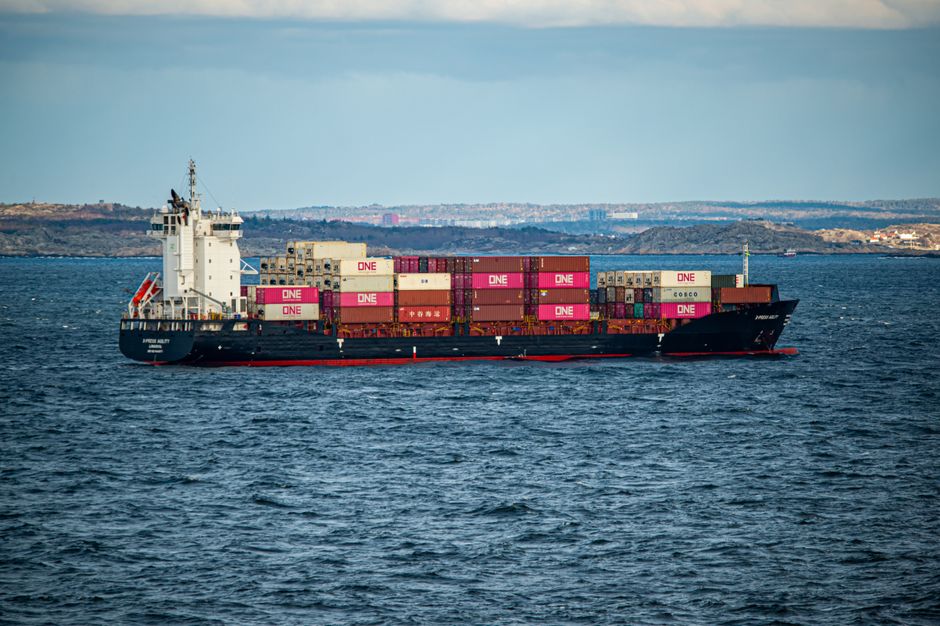 Photo: Oleksiy Konstantinidi,🌻🇺🇦🌻 / Pexels
Petrobras has extended its contract with Valaris for a drillship operating off Brazil, signaling sustained activity in the South American offshore energy sector. This development underscores robust demand for specialized offshore vessels and has ripple effects across the maritime supply chain.
⚡ Key Takeaways
- Petrobras's drillship extension signals robust offshore energy demand.
- Increased drillship activity drives demand for offshore support vessels.
- Global energy market stability impacts tanker demand and trade routes.
- Proactive planning for vessel services, logistics, and maintenance is crucial.
The recent announcement that Petrobras has expanded its contract with Valaris for a drillship operating in Brazil is a significant indicator of the current health and future trajectory of the offshore energy market. This extension is not merely a routine contract renewal; it signifies Petrobras's long-term commitment to its Brazilian drilling operations, driven by sustained global demand for hydrocarbons and the strategic importance of its pre-salt reserves. For Valaris, it ensures continued revenue streams and operational stability in a key region, reflecting confidence in their assets and services.
For ship operators, owners, and managers, particularly those involved in supporting offshore exploration and production, this news carries considerable weight. Increased drillship activity translates directly into higher demand for a wide array of support vessels, including PSVs (Platform Supply Vessels), AHTS (Anchor Handling Tug Supply) vessels, crew boats, and specialized offshore construction vessels. This sustained demand can lead to tighter vessel availability, potentially driving up charter rates and improving utilization across the offshore support fleet. Fleet managers should view this as an opportunity to secure long-term contracts and optimize asset deployment, potentially reactivating stacked vessels or investing in fleet upgrades to meet stringent operational requirements.
While this specific development occurs off the coast of Brazil, its implications resonate globally, including for shipping routes connected to Turkey, the Mediterranean, Europe, and the Middle East. Brazil is a major global energy producer and consumer, and its sustained offshore activity impacts global energy prices and trade flows. This can influence tanker demand for crude oil and refined products, affecting vessel movements through key chokepoints and trading lanes. Furthermore, the specialized equipment and parts required for such advanced drilling operations often originate from manufacturing hubs in Europe or Asia, necessitating efficient global logistics and reliable port services. Ship suppliers like Seaway Ship Services, with our extensive network, play a crucial role in ensuring these complex supply chains remain uninterrupted, whether it's supplying vessels transiting to or from these regions, or supporting vessels that may be repositioned globally.
Practically, marine procurement officers and port captains should anticipate potential shifts in vessel traffic and consider securing long-term service agreements for their fleets. The sustained activity in offshore regions demands robust supply chain resilience, reliable bunkering, and efficient ship repair services. Proactive planning for vessel maintenance, spare parts logistics, and crew changes becomes even more critical to maximize uptime and operational efficiency in a competitive market.
Original article: Offshore Energy · Analysis by Seaway Ship Services Editorial
Need Maritime Supplies or Services?
Seaway Ship Services — 35 years serving vessels in Turkey, UK, Europe & the Middle East. 24/7 operations.
Get a Quote →