SeaLead’s Hormuz Halt & US Charges: Critical Analysis for Ship Operators
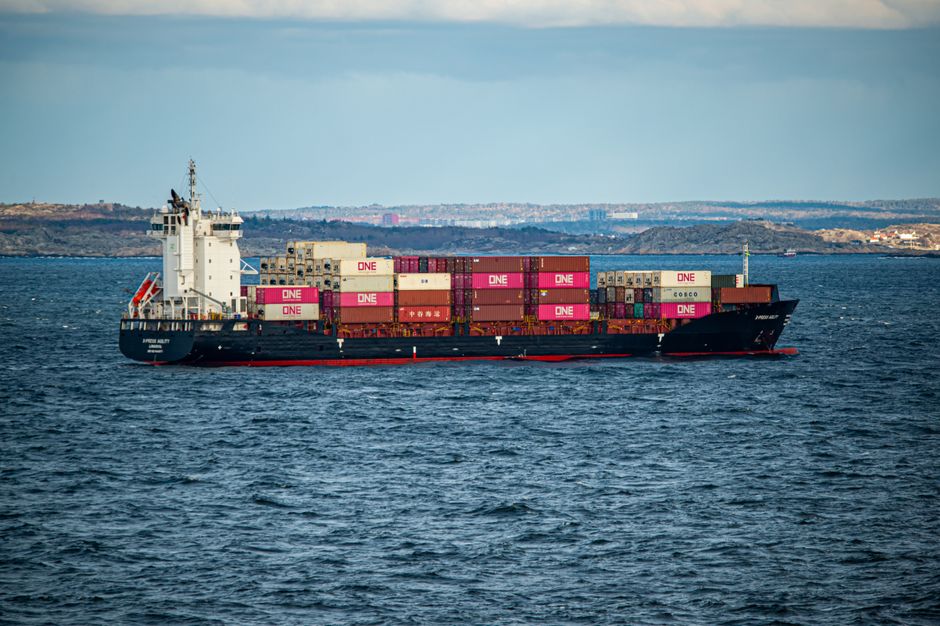 Photo: Oleksiy Konstantinidi,🌻🇺🇦🌻 / Pexels
SeaLead Shipping's operations are severely impacted by the closure of the Strait of Hormuz and US legal action alleging services to Iranian interests, significantly reducing its operated capacity. This situation highlights critical supply chain vulnerabilities and the escalating geopolitical risks facing global shipping.
⚡ Key Takeaways
- Geopolitical conflicts and sanctions compliance pose severe operational risks.
- Single-carrier reliance heightens vulnerability to supply chain disruptions.
- Hormuz closure impacts global trade, affecting routes beyond the Persian Gulf.
- Enhanced due diligence and diversified sourcing are crucial for operational resilience.
The recent developments concerning SeaLead Shipping serve as a stark reminder of the volatile interplay between geopolitics, regulatory compliance, and commercial maritime operations. The closure of the Strait of Hormuz, a critical chokepoint for global trade, directly stranded SeaLead’s Far East-Persian Gulf services, immediately impacting cargo flow and vessel scheduling. Concurrently, the US Department of Justice’s legal action, alleging services to Iranian official Ali Shamkhani, introduces a significant compliance and reputational risk, underscoring the severe penalties for violating international sanctions.
For ship operators, fleet managers, and marine procurement officers, this incident signals several critical considerations. Firstly, reliance on single carriers or routes, especially through geopolitically sensitive areas, carries inherent risks. The sudden curtailment of SeaLead’s capacity, now down to 14 ships and 62,521 TEU, will undoubtedly create ripples, potentially leading to capacity shortages and freight rate volatility on affected routes. This necessitates a proactive approach to carrier diversification and robust contingency planning for supply chain disruptions.
While SeaLead is Singapore-based, the broader implications resonate across Turkish, Mediterranean, European, and Middle Eastern shipping routes. Disruptions in the Persian Gulf inevitably affect feeder networks and transhipment hubs connecting to these regions. Cargo initially destined for the Persian Gulf via SeaLead might seek alternative carriers or routes, potentially increasing pressure on other services operating through the Suez Canal and into the Mediterranean. Turkish ports, serving as vital gateways to Europe and the Black Sea, could experience indirect impacts from re-routed cargo or shifts in regional trade patterns.
Practical takeaways include the imperative for enhanced due diligence on all service providers, particularly concerning their compliance with international sanctions and trade regulations. Operators must regularly review their contracts for clauses related to force majeure and geopolitical risks. Furthermore, fostering strong relationships with multiple reputable suppliers and service providers, like Seaway Ship Services, becomes paramount to ensure operational resilience and mitigate the impact of unforeseen disruptions on critical vessel needs, from provisions to repairs, regardless of the global shipping landscape’s volatility.
Original article: The Loadstar · Analysis by Seaway Ship Services Editorial
Need Maritime Supplies or Services?
Seaway Ship Services — 35 years serving vessels in Turkey, UK, Europe & the Middle East. 24/7 operations.
Get a Quote →