Unregulated War Risk Surcharges: A Dangerous Precedent for Ship Operators
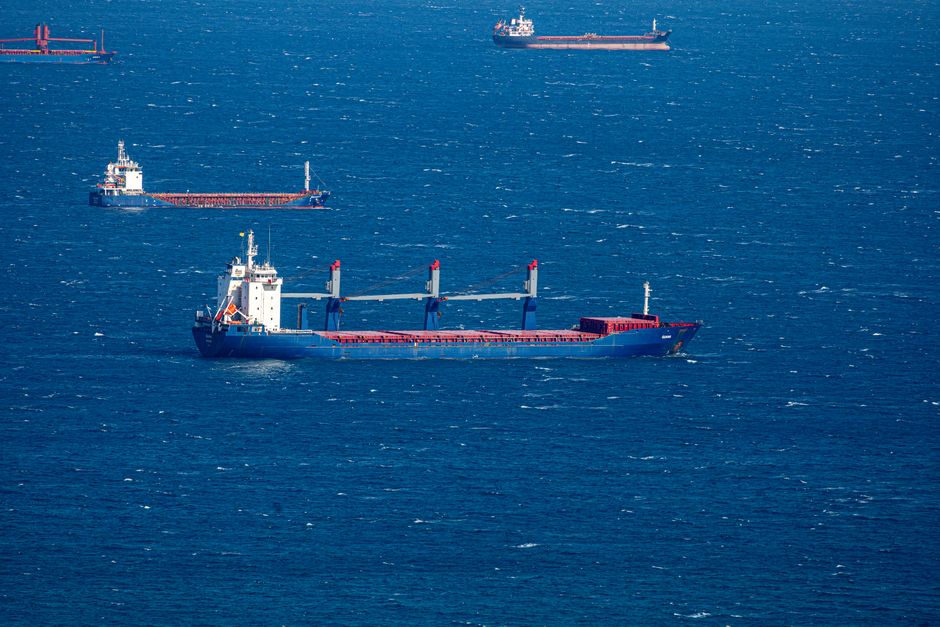 Photo: Regan Dsouza / Pexels
Forwarders are raising alarms over unregulated war risk surcharges levied by carriers, questioning their validity and the absence of additional protection. This practice sets a dangerous precedent, potentially eroding trust in contractual agreements and increasing operational costs for ship operators.
⚡ Key Takeaways
- Unregulated war risk surcharges by carriers are sparking industry-wide anger.
- These surcharges offer no additional protection, raising questions about contractual validity.
- Ship operators face increased costs, budget uncertainty, and eroded trust in agreements.
- The precedent could lead to further unregulated surcharging, impacting global shipping, including Mediterranean and Middle East routes.
The Loadstar’s recent reporting highlights a growing industry concern regarding the proliferation of 'war risk' surcharges imposed by carriers in response to geopolitical tensions, particularly the US/Israel war against Iran. This issue is not merely about increased costs; it strikes at the very foundation of contractual integrity within the maritime supply chain. Forwarders are collectively expressing anger, noting that these levies offer no tangible additional protection, effectively functioning as an unregulated revenue stream for carriers.
For ship operators, fleet managers, port captains, and marine procurement officers, this development is deeply concerning. The lack of transparency and the unilateral imposition of these surcharges create significant budget uncertainties and undermine the predictability essential for effective operational planning. It challenges the validity of existing freight agreements and can lead to unexpected cost escalations, impacting profitability and competitive positioning. Furthermore, the precedent of unregulated surcharging could embolden carriers to introduce similar levies for other unforeseen circumstances, further complicating cost management and eroding the reliability of long-term contracts.
While the immediate context is the US/Israel war against Iran, the implications extend globally, directly affecting shipping routes vital to Turkey, the Mediterranean, Europe, and the Middle East. Vessels transiting or calling at ports in these regions, particularly those perceived to be near conflict zones, are likely targets for such surcharges. This adds another layer of complexity for operators managing diverse fleets and supply chains, potentially forcing route adjustments or leading to increased costs for essential goods moving through these strategic waterways. Seaway Ship Services understands the critical need for cost predictability and operational efficiency in these volatile times.
Practical takeaways for marine professionals include a heightened need for rigorous scrutiny of all carrier invoices and contractual terms. Operators should engage in proactive dialogue with their carriers, demanding detailed justifications for any war risk surcharges and challenging those that lack transparency or demonstrable value. Additionally, exploring alternative routes or port calls, where feasible, might offer some mitigation. Lobbying industry bodies for greater regulation and standardization of surcharging practices is also crucial to protect the long-term interests of the shipping community. Maintaining clear communication with all stakeholders and leveraging robust procurement strategies will be essential in navigating this evolving landscape.
Original article: The Loadstar · Analysis by Seaway Ship Services Editorial
Need Maritime Supplies or Services?
Seaway Ship Services — 35 years serving vessels in Turkey, UK, Europe & the Middle East. 24/7 operations.
Get a Quote →