US LNG Export Boost: Implications for Global Shipping & Bunker Strategies
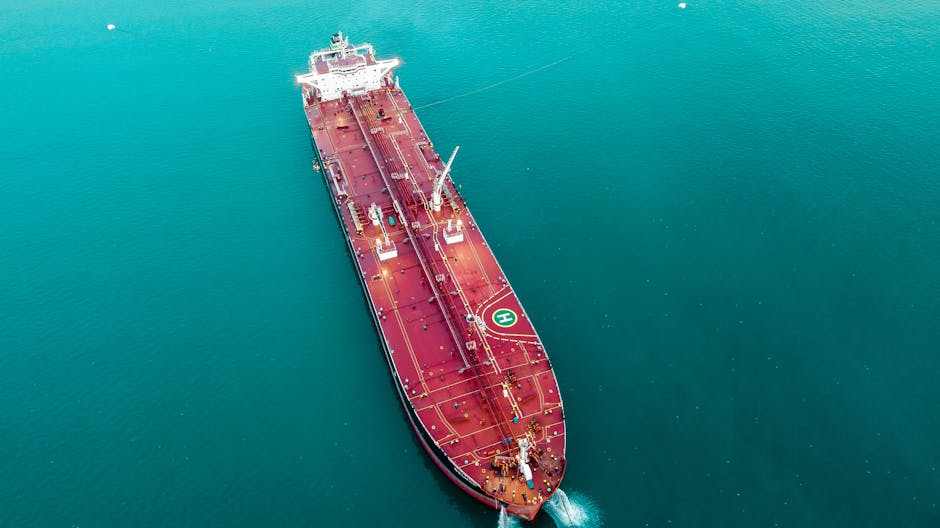 Photo: Alexander Bobrov / Pexels
Kinder Morgan's Southern LNG Company has secured approval for increased liquefied natural gas (LNG) exports from its Georgia terminal to non-Free Trade Agreement countries. This development signals a potential shift in global LNG supply dynamics, with direct implications for marine procurement and bunkering strategies.
⚡ Key Takeaways
- US increases LNG exports to non-FTA countries, expanding global supply.
- Potential impact on global LNG pricing and market liquidity for marine fuel.
- Reinforces LNG as a viable, cleaner marine fuel for global shipping.
- Relevant for bunker strategies in Mediterranean, European, and Middle Eastern routes.
The recent approval for Southern LNG Company, a Kinder Morgan subsidiary, to increase LNG exports from its Elba Island terminal in Chatham County, Georgia, to non-Free Trade Agreement (FTA) countries marks a significant development in the global energy landscape. This 'green light' from US authorities expands the potential reach of American LNG, allowing it to serve a broader international market beyond traditional FTA partners. This move underscores the US's growing role as a major LNG exporter, aiming to meet burgeoning global demand, particularly from energy-intensive regions in Asia and Europe.
For ship operators, owners, and fleet managers, this development has several critical implications. Firstly, an increase in US LNG supply could contribute to greater market liquidity and potentially influence global LNG pricing. While the immediate impact on spot prices is subject to numerous market variables, a more robust supply chain from the US offers diversification and could mitigate price volatility over the medium to long term. Secondly, it reinforces the strategic importance of LNG as a marine fuel. As more LNG becomes available on the global market, it supports the ongoing transition towards cleaner fuels in shipping, particularly for vessels equipped with dual-fuel engines or those planning retrofits.
Considering Seaway Ship Services' operational footprint, this news is highly relevant to shipping routes touching Turkey, the Mediterranean, Europe, and the Middle East. Increased US LNG exports are likely to target European and Asian markets, thereby stimulating demand for LNG carrier traffic across the Atlantic and through key maritime chokepoints like the Suez Canal. For vessels operating or transiting these regions, the availability and pricing of LNG bunkers could be indirectly affected. A more competitive global LNG market, bolstered by US exports, may lead to more favorable bunkering options in major hubs within Seaway Ship Services' service areas, including Turkish ports, Rotterdam, Gibraltar, and Fujairah. Marine procurement officers should closely monitor these supply trends to optimize their bunkering strategies and leverage potential cost efficiencies.
Practical takeaways include the need for fleet managers to reassess their fuel procurement strategies in light of potentially increased LNG availability and evolving price dynamics. Engaging with reputable bunker suppliers and leveraging market intelligence will be crucial to securing competitive LNG contracts. Furthermore, this development reinforces the long-term viability of LNG as a compliant and increasingly accessible marine fuel, supporting continued investment in LNG-ready or LNG-fueled vessels.
Original article: Offshore Energy · Analysis by Seaway Ship Services Editorial
Need Maritime Supplies or Services?
Seaway Ship Services — 35 years serving vessels in Turkey, UK, Europe & the Middle East. 24/7 operations.
Get a Quote →