Vietnam's REE Offshore Wind Push: New Maritime Opportunities & Challenges
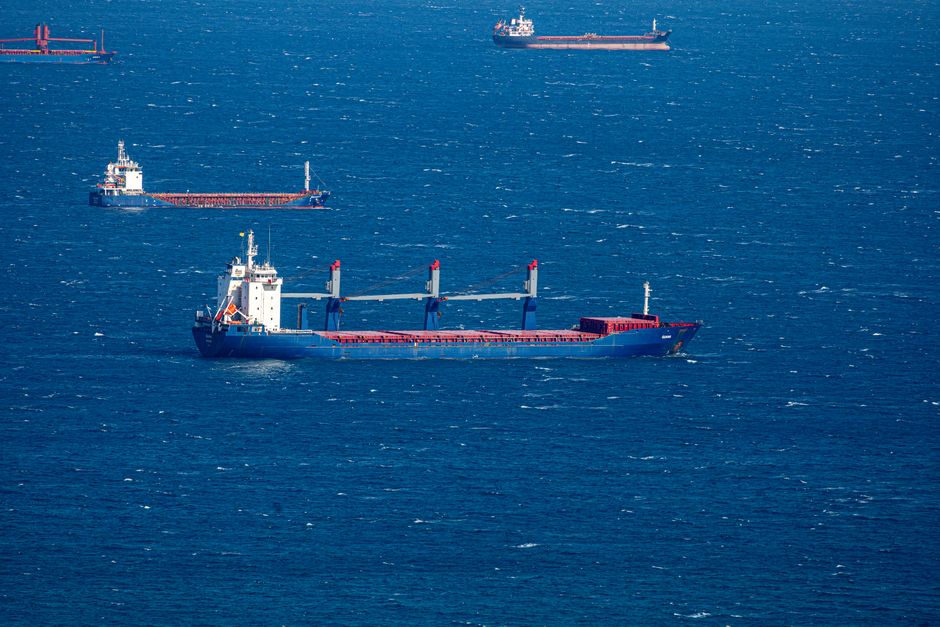 Photo: Regan Dsouza / Pexels
Vietnam's Refrigeration Electrical Engineering Corporation (REE) is investing billions in offshore wind and floating solar, signaling a significant shift in Southeast Asian energy infrastructure. This move will create new maritime operational demands and supply chain opportunities for the shipping industry.
⚡ Key Takeaways
- Billions invested in Vietnam's offshore wind and floating solar by REE.
- Significant increase in demand for specialized offshore support vessels.
- Potential impact on global vessel charter rates and availability.
- New opportunities for marine procurement and port services in Southeast Asia.
- Increased freight volumes for renewable energy components on major trade routes.
Vietnam’s REE Corporation’s multi-billion-dollar commitment to offshore wind and floating solar projects represents a pivotal development for the global maritime industry, particularly impacting operations in Southeast Asia and beyond. This substantial investment underscores Vietnam's strategic pivot towards renewable energy, driven by national energy security goals and a commitment to decarbonization. For ship operators, fleet managers, and marine procurement officers, this isn't merely an energy story; it's a profound maritime infrastructure expansion.
The immediate impact on ship operators will be a surge in demand for specialized vessels and support services. The construction and maintenance of offshore wind farms require a diverse fleet, including heavy-lift vessels, crew transfer vessels (CTVs), service operation vessels (SOVs), anchor handling tug supply (AHTS) vessels, and platform supply vessels (PSVs). This demand will likely drive up charter rates for these specific vessel types and create new employment opportunities for skilled maritime personnel. Furthermore, the development of these energy hubs will necessitate enhanced port infrastructure and logistics support, presenting opportunities for port service providers and marine suppliers.
While the direct impact is centered in Southeast Asia, the ripple effect will be felt across global shipping routes, including those touching Turkish, Mediterranean, European, and Middle Eastern waters. The increased demand for specialized vessels in Vietnam could draw assets away from other regions, potentially affecting availability and pricing for projects elsewhere. Moreover, the supply chain for offshore wind components – from turbines to subsea cables – is global. Vessels transporting these components will traverse key international trade lanes, increasing freight volumes and potentially influencing vessel deployment strategies for carriers operating between Asia and Europe/Middle East. For marine procurement, this signals a need to monitor vessel availability and pricing trends, and to potentially diversify sourcing strategies for equipment and services.
Practical takeaways include: proactively assessing fleet capabilities for offshore wind support, exploring partnerships with local Vietnamese maritime entities, and understanding the evolving regulatory landscape for offshore operations in the region. Seaway Ship Services, with its extensive network and expertise, is well-positioned to support vessels deploying to these burgeoning energy zones, offering crucial supplies, repairs, and services to ensure operational efficiency and compliance in this dynamic new maritime frontier.
Original article: Offshore Energy · Analysis by Seaway Ship Services Editorial
Need Maritime Supplies or Services?
Seaway Ship Services — 35 years serving vessels in Turkey, UK, Europe & the Middle East. 24/7 operations.
Get a Quote →