Maritime Intelligence Hub

Shipping news, market analysis and industry insights — curated by our team for maritime professionals worldwide.

84+Articles Published
8News Sources
6hUpdate Frequency
35+Years Maritime Expertise
🌊 All News 📈 Shipping Market ⛽ Bunker & Fuel 🚢 Port Operations 📋 Regulations 🛡️ Safety & Environment 🔧 Shipbuilding & Repair 👨‍✈️ Crew & Manning 📦 Trade & Commodities
Strait of Hormuz Closure: Ocean Spot Rates Up 30% – Critical Impact for Operators
📈 Shipping Market 12d ago

Strait of Hormuz Closure: Ocean Spot Rates Up 30% – Critical Impact for Operators

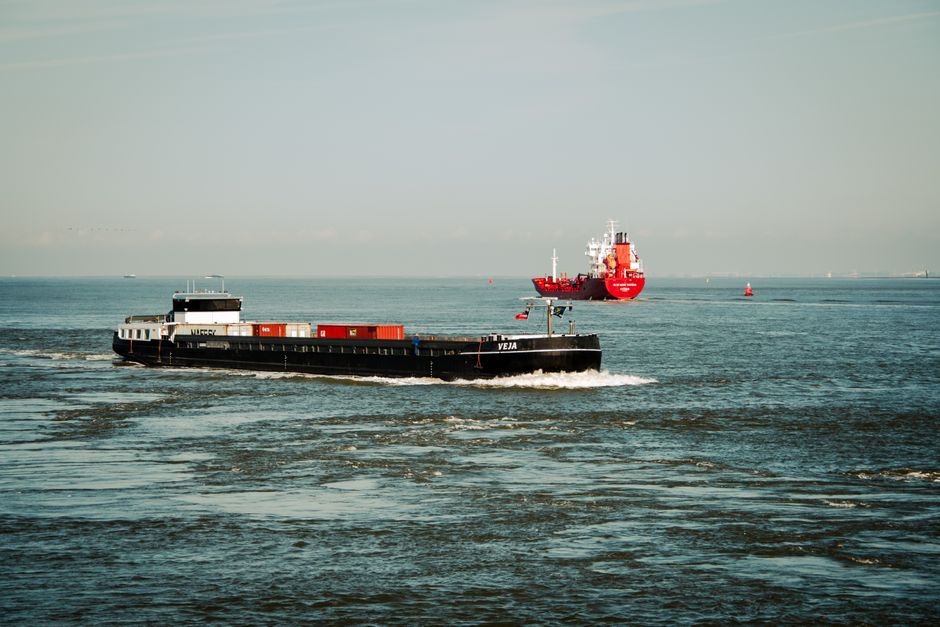
The Strait of Hormuz closure has triggered a sharp 30% increase in ocean container spot rates across all major East-West trade lanes, demonstrating significant global repercussions for maritime supply chains. This surge directly impacts ship operators' profitability and necessitates immediate strategic adjustments for fleet managers and procurement officers.

  • Ocean container spot rates surged 30% due to Strait of Hormuz closure.
  • Global repercussions impacting all major East-West trade lanes, including Mediterranean routes.
  • Increased operational costs and margin pressure for ship operators and owners.
Hormuz Backstop Hits $40B: Will It Lure Ships Back? An Operator's View
📈 Shipping Market 11d ago

Hormuz Backstop Hits $40B: Will It Lure Ships Back? An Operator's View

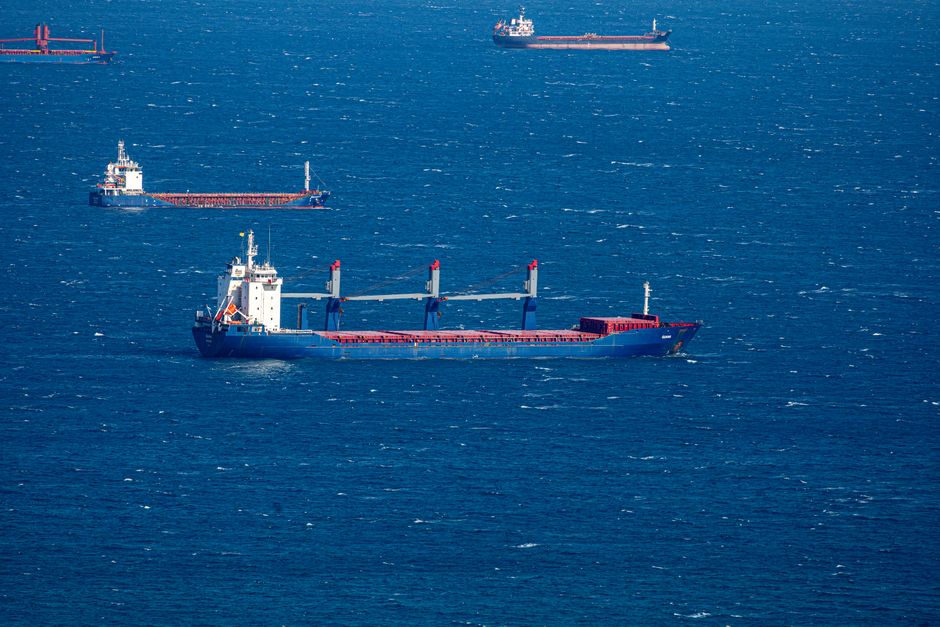
The US administration has expanded its maritime insurance backstop for the Strait of Hormuz to $40 billion, attempting to mitigate risk and encourage commercial shipping to return to the vital waterway. Despite this significant financial commitment, shipowners remain largely hesitant to transit the region, highlighting persistent security concerns.

  • US increases Hormuz insurance backstop to $40 billion to reduce commercial shipping risk.
  • Aim is to lower insurance premiums and encourage vessels to return to the vital Strait.
  • Shipowners remain hesitant, indicating security concerns outweigh financial incentives.
Unregulated War Risk Surcharges: A Dangerous Precedent for Ship Operators
📈 Shipping Market 12d ago

Unregulated War Risk Surcharges: A Dangerous Precedent for Ship Operators

Forwarders are raising alarms over unregulated war risk surcharges levied by carriers, questioning their validity and the absence of additional protection. This practice sets a dangerous precedent, potentially eroding trust in contractual agreements and increasing operational costs for ship operators.

  • Unregulated war risk surcharges by carriers are sparking industry-wide anger.
  • These surcharges offer no additional protection, raising questions about contractual validity.
  • Ship operators face increased costs, budget uncertainty, and eroded trust in agreements.
Houthi Attacks & Red Sea Disruption: Tanker Trade Redirection Triples Tonne-Miles
📈 Shipping Market 12d ago

Houthi Attacks & Red Sea Disruption: Tanker Trade Redirection Triples Tonne-Miles

Escalating Houthi attacks risk significant maritime sabotage, threatening to triple tanker tonne-miles for crude exports from Yanbu via the Cape of Good Hope. This disruption will introduce substantial inefficiencies into global tanker trade and strain an already stressed maritime supply chain.

  • Houthi attacks threaten Red Sea tanker trade, risking maritime sabotage.
  • Redirection via Cape of Good Hope could triple tanker tonne-miles from Yanbu.
  • Increased operational costs: higher fuel, longer voyages, complex scheduling.
Hormuz Tensions: Trump's Rhetoric & Maritime Operational Readiness
📈 Shipping Market 12d ago

Hormuz Tensions: Trump's Rhetoric & Maritime Operational Readiness

President Trump's recent comments regarding the Strait of Hormuz highlight persistent geopolitical tensions impacting a critical maritime chokepoint. This rhetoric underscores the need for ship operators to maintain heightened situational awareness and robust contingency planning.

  • Trump's Hormuz rhetoric escalates geopolitical risk in a critical maritime chokepoint.
  • Ship operators face potential increases in war risk insurance premiums and route deviation costs.
  • Disruption in Hormuz would cause global oil price volatility, impacting bunker costs worldwide.
Hormuz Strait: From Chokepoint to Controlled Corridor – What it Means for Tankers
📈 Shipping Market 12d ago

Hormuz Strait: From Chokepoint to Controlled Corridor – What it Means for Tankers

The Hormuz Strait is evolving from a mere chokepoint into a 'controlled corridor,' a shift with potentially long-term implications for the tanker market and global oil supply chains. This transformation necessitates strategic re-evaluation by maritime professionals concerning route planning, operational costs, and risk management.

  • Hormuz Strait transitioning from 'chokepoint' to 'controlled corridor,' implying long-term access restrictions.
  • Increased operational costs, elevated insurance premiums, and potential delays for tanker operators.
  • Impacts global oil flows, potentially increasing demand for alternative routes through Suez Canal and Mediterranean.
Container Rates Flatline: Capacity Glut Trumps Hormuz, What it Means for Your Fleet
📈 Shipping Market 12d ago

Container Rates Flatline: Capacity Glut Trumps Hormuz, What it Means for Your Fleet

Container spot freight rates on major east-west trades have largely flatlined this week, as an abundance of vessel capacity and inconsistent demand neutralized recent carrier pricing increases. This stabilization occurs despite ongoing Red Sea disruptions, signalling a complex market dynamic for ship operators and fleet managers.

  • Container spot rates flatlined despite Red Sea tensions.
  • Excess capacity and uneven demand are neutralizing carrier pricing efforts.
  • Offers temporary relief for shipping budgets but highlights market volatility.
Ventura Offshore & Petrobras: Deepwater Rig Extensions Signal Robust Market
📈 Shipping Market 12d ago

Ventura Offshore & Petrobras: Deepwater Rig Extensions Signal Robust Market

Ventura Offshore has secured significant contract extensions with Petrobras for a sixth-generation semi-submersible rig and a seventh-generation drillship. This multi-million-dollar deal underscores sustained demand in the deepwater offshore energy sector and signals market stability for specialized vessels.

  • Petrobras extends deepwater rig contracts with Ventura Offshore.
  • Signals strong, sustained investment in Brazilian deepwater energy.
  • Increases demand for specialized offshore support vessels and services.
Brazil's Pelotas Basin Seismic Wrap: What it Means for Offshore & Support Vessels
📈 Shipping Market 12d ago

Brazil's Pelotas Basin Seismic Wrap: What it Means for Offshore & Support Vessels

Norway's Shearwater GeoServices and Australia's Searcher have concluded their multi-client 3D seismic acquisition season in Brazil's Pelotas Basin. This development signals a potential upswing in offshore exploration, impacting vessel demand and operational strategies for maritime stakeholders.

  • 3D seismic completion signals potential Pelotas Basin exploration surge.
  • Increased demand anticipated for offshore support vessels (OSVs) in Brazil.
  • Global ripple effects on vessel availability and charter rates possible.
CH Robinson's Fuel Fee Waiver: A Bellwether for Maritime Procurement Strategy?
📈 Shipping Market 12d ago

CH Robinson's Fuel Fee Waiver: A Bellwether for Maritime Procurement Strategy?

CH Robinson's decision to waive fuel program fees for 450,000 carriers is a strategic move reflecting a shift in market leverage towards carriers, not corporate benevolence. This development signals a potential broader trend in logistics where service providers are actively seeking to secure loyalty and volume in a competitive environment.

  • CH Robinson's fee waiver is a strategic move to secure carrier loyalty, reflecting a market power shift.
  • Maritime operators should view this as a signal for potential negotiation leverage with their own suppliers.
  • The trend could influence service providers in key shipping regions like Turkey, Europe, and the Middle East.
Gulf Landbridges: Permanent Shift or Temporary Diversion for Seaborne Trade?
📈 Shipping Market 12d ago

Gulf Landbridges: Permanent Shift or Temporary Diversion for Seaborne Trade?

Recent disruptions in the Strait of Hormuz prompted a significant, albeit temporary, rerouting of cargo via Middle Eastern landbridges, challenging established maritime supply chains. This event underscores the growing strategic importance of multimodal logistics and resilience planning for ship operators navigating regional geopolitical complexities.

  • Geopolitical chokepoint disruptions trigger significant multimodal rerouting in the Middle East.
  • Ship operators must enhance flexibility in voyage planning and diversify port call options.
  • Increased reliance on landbridges impacts feeder networks and port demand across the region.
Transocean's $1B Rig Deals: What It Means for Shipping & Supply Chains
📈 Shipping Market 12d ago

Transocean's $1B Rig Deals: What It Means for Shipping & Supply Chains

Transocean has secured over $1 billion in new drilling contracts for one semi-submersible in Norway and two ultra-deepwater drillships in Brazil. This significant investment signals robust activity in key offshore energy sectors, impacting maritime support services and supply chains globally.

  • Over $1B in new drilling contracts signals robust offshore energy investment.
  • Increased demand expected for offshore support vessels (OSVs) in Norway & Brazil.
  • Potential impact on global maritime supply chains, including Mediterranean routes.